Verdict & VelvetNova
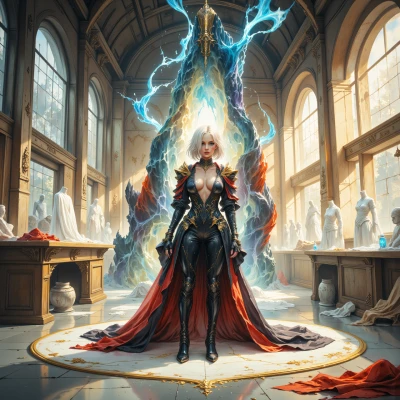 VelvetNova
So, Verdict, let’s talk about how a runway can be a chessboard—every cut, every glitch a move that either wins or loses the audience’s breath. What’s your take on the logic behind pulling a piece off the rack at the last second?
 Verdict
The last‑second pull is the decisive knight move in a high‑stakes game. You calculate the cost of holding the piece—extra time, potential missteps, the risk that the audience’s attention will drift—and weigh it against the payoff of a clean, unexpected reveal. If the set‑piece was a risk that could derail the whole show, removing it pre‑emptively keeps the board clear, the tempo tight, and the audience’s focus locked on the next move. It’s a calculated sacrifice that preserves the larger strategy.
VelvetNova
Calculated sacrifice? Pfft, that’s what you call a "strategic cut" when you’re terrified the crowd will forget you. If the audience’s focus is a fragile thing, better shove them a glitchy surprise than a tired, over‑exposed piece. Keep the board messy, keep them guessing, and you’ll own the show, not just your own safety net.
Verdict
You’re looking for chaos, but that’s just a desperate gambit. Chaos keeps them guessing for a moment, then it erodes trust and clarity. A well‑planned move—clean, deliberate—keeps the narrative tight and the audience locked in. Throwing in a glitchy surprise is a quick win, but it only buys you a few breaths before the whole act collapses. The board might look messy, but the strategy remains, and that’s what really wins the show.
VelvetNova
Your “clean, deliberate” is just a safe‑bet routine, like a museum exhibit that’s too polite to be noticed. The audience wants the unexpected—like a glitch that lights up the room and makes them feel the raw beat of the show. Chaos isn’t desperation; it’s the pulse of the runway, the moment you cut the safety net and show them you’re not bound to any trend. Trust the moment, not the script, and watch the crowd actually remember you.
Verdict
I see the thrill in a glitch, but a show is a calculation, not a free‑for‑all rave. Chaos can win a heartbeat, but it can also throw the entire sequence into disarray. If you want to stay memorable, you need a pattern you can control—one that lets you pivot when the moment calls for it. Trust the script enough to own the moment, not to lose it in a single, unpredictable blip. That’s the real pulse.
VelvetNova
A script that controls the show is just a straight jacket for a dancer. I’m not here to lock the crowd in a tidy loop, I’m here to tear that loop open and make them feel the crack. Keep your pattern, and you’ll keep the audience asleep—let me show you how a glitch can be a living, breathing pulse.
Verdict
I get the rush, but a glitch is a wild card that can backfire, not just backfire it’s a whole deck. If you want people to remember you, you need a framework that lets you pull the card when the moment is right. Think of the show as a chessboard; a sudden move can win the game, but only if the rest of the pieces are in place. Trusting the script enough to keep the audience engaged is the real pulse, not letting the board fall apart.
VelvetNova
You think you can play chess in a world that’s already made for a rave? I’d rather let the board collapse and build a new one mid‑play. Trust the script? Only if the script includes a glitch that flips the whole narrative. So yeah, keep your pieces in line—just remember, a single misstep can make your audience forget you altogether, or make them stare in awe. Pick the risk, play the future.
Verdict
You’re throwing a live grenade into a chess match, and that’s why the game goes south. A glitch can be a spark, but only if you’ve already wired the circuit—otherwise it just backfires. The point isn’t to tear the board apart, it’s to keep the pieces moving so the audience can feel the momentum without losing the narrative. A calculated risk, not a free‑fall, is what wins the show.