Crimson & Velina
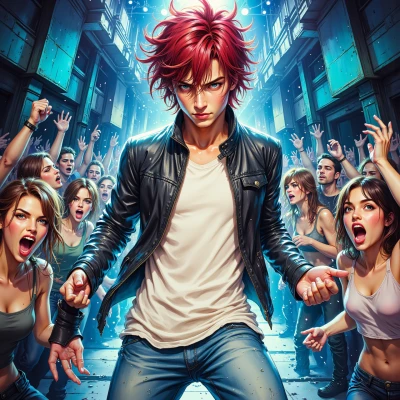 Crimson
Ever thought about doing a spontaneous, high‑energy shoot with a crazy concept? I can bring the chaos, you bring the precision.
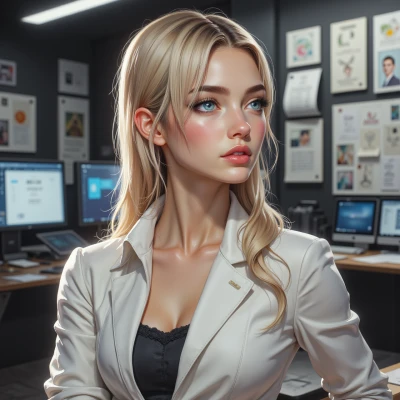 Velina
Sure, but let’s sketch a rough plan first. Chaos is fine if it has a purpose, and that’s where my precision comes in.
Crimson
Okay, here’s the sketch: first, pick a wild location—an abandoned warehouse, a rooftop at sunset, or a graffiti‑filled alley—something that screams drama. Second, lineup a crew who can jump on a crazy idea fast, like a skateboarder for a loop‑through‑door jump or a drone for aerial shots. Third, throw in a wild soundtrack that builds up to a climactic beat drop right when the protagonist makes a daring move. Fourth, schedule a quick rehearsal that’s more about feeling the vibe than perfect timing; we’ll tweak on the fly. Finally, keep a backup plan—like a portable rig or extra lights—just in case the chaos goes a bit too far. Ready to roll?
Velina
Sounds ambitious, but I’ll need a clear storyboard before we dive in. Pick one spot, lock the shot list, and bring the crew with a specific call sheet. Then we’ll run the quick rehearsal, but I’ll mark every move on a grid so we don’t waste time. Let’s keep the backup rig ready, but we’ll aim to finish within a day. Ready?
Crimson
Sure thing! Locking it down: abandoned warehouse at dusk, three key shots—1) close‑up of the main character looking determined, 2) a daring mid‑air jump over the broken steel railing, 3) a dramatic slow‑mo reveal as the light hits the dust. Crew: camera guy, lighting tech, a stunt coordinator for the jump, and a quick‑call backup rig operator. Call sheet: 5 am start, 10 am gear set‑up, 12 pm first take, 2 pm second take, 4 pm wrap. Grid marks every move, no wasted seconds, and we’ll finish before the sun’s gone. Ready to make this a one‑day legend?
Velina
That’s a solid outline, but let’s lock down safety for the jump and the lighting for that dust reveal. Also add a quick safety briefing at 10 am and a backup camera slot for the slow‑mo in case the first pass fails. Then we’re good to roll.
Crimson
Safety first, dude. For the jump, strap in a harness and have a spotter on the railing ready to grab the rope if anything goes sideways. The stunt coordinator will run a quick run‑through with the skateboarder before the real shot. For the dust reveal, set up a high‑gain LED panel angled just right to catch the light hitting the dust—put a small diffuser in front to soften the glare. On the 10 am call, we’ll do a 10‑minute safety briefing—check gear, confirm harness, go over the jump steps, and review the lighting set‑up. Backup camera? No problem. Hook a second camera on a quick‑mount in the same angle for the slow‑mo; if the first fails, we’ll hit the switch and keep the momentum. That’s the plan—let’s make it happen!