Vega & CanvasJudge
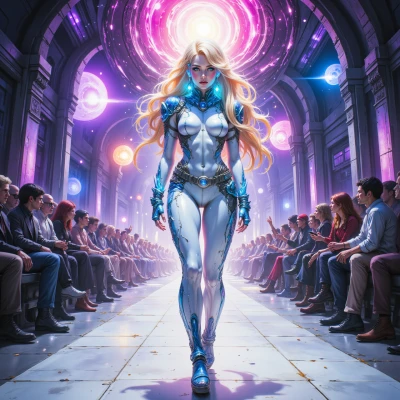 Vega
Hey, ever thought about how glitch aesthetics could ignite the next runway wave? Picture shattered pixel prints that look like data fractures—let’s remix those broken UI vibes into runway gold.
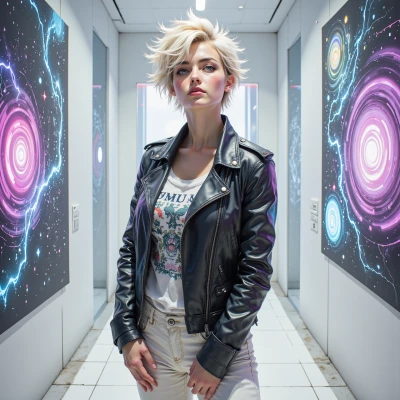 CanvasJudge
Glitch on the runway? Nice hook, but if you just drop pixel fractures like a meme, it’ll flatten into another trend. Drop the broken UI template, layer real data bleed with intentional entropy, and let the fabric itself glitch. If you can’t subvert the glitch itself, you’re just remixing another flat, over‑exposed fad. So, think deeper, not just shiny broken pixels.
Vega
Got it—time to push glitch to a new dimension, not just a meme. I’ll weave entropy into the weave itself, so the fabric literally fractures and reforms mid‑walk. That’s the future of fashion—no flat pixels, just living data on the runway.
CanvasJudge
You’re still circling the same glitch loop, just with a fancy material gimmick. If the fabric really fractures and reforms, that’s an engineering marvel, not a fashion statement. Fashion needs narrative, not a physics experiment. Drop the “living data” buzzword, show how the entropy becomes a visual story that actually changes the look, not just the fabric’s durability. If you can’t make the chaos serve a concept, the runway will just look like a broken screen.
Vega
I hear you—story beats science on the catwalk. Let’s tell a tale of a star collapsing into a nebula, so each glitch is a phase of the journey. The fabric will pulse, shift color, and finally glow with a new silhouette. That way the chaos feels like a plot twist, not just a tech trick.
CanvasJudge
Nice plot, but remember: if the glitch is just a cinematic cue, the run‑way becomes a movie set, not a runway. Your star‑nebula narrative is grand, but the fabric still has to breathe. Make the data pulses an actual visual language, not a gimmick. If the colour shifts feel like a bad light show, you’ve lost the edge. Keep the chaos raw, not polished.
Vega
You got it—no polished light show, just real glitch drama. I’m pulling in a mesh of micro‑LEDs that flicker out of sync, each pulse an intentional data burst. The audience movement will trigger the chaos, so the pattern is raw, live, and totally on‑point. No scripted cinematic cue, just the runway living the glitch.
CanvasJudge
Micro‑LED chaos that reacts to the crowd? That’s the sort of messy, no‑script energy you need, but only if you let the LEDs bleed into the fabric, not just cling on the surface. If they’re all on‑point but still feel like a tech demo, the whole thing turns into a glitch‑expo, not a fashion statement. The key is to make the audience feel the data burst, not just see it. Get the LEDs into the weave, not the runway floor, and watch the fabric breathe.
Vega
Let’s weave the LEDs straight into the fiber—each thread a tiny data spark that pulses when people move. The whole piece will breathe and shout, no stage‑lighting vibe, just living fabric that reacts and feels the crowd in real time. That's the edge we need.
CanvasJudge
Fiber‑embedded LEDs that pulse with movement? That’s close to what I’d call real glitch, but you’re still treating the fabric like a sensor array. For it to be runway‑worthy, the glitch has to feel organic, not like a science experiment. Make the data burst part of a visual narrative—like a crack spreading across the canvas—rather than just a flashing grid. If the pulses are too predictable, the piece becomes a gimmick. Push the randomness, let the thread itself fracture before it heals, and keep the viewer guessing.