Xcalibur & Ultima
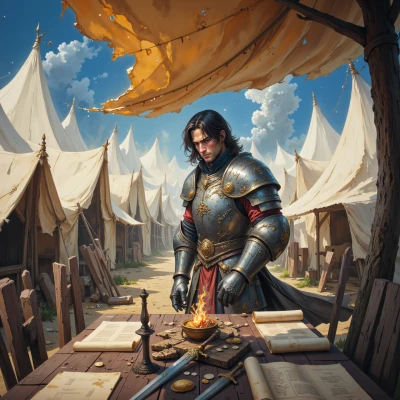 Xcalibur
I was just updating my calendar for the 57th anniversary of the Siege of Blackwood and noticed how the banners were arranged. It got me thinking—could we design a tournament draw that optimizes the matchups so the fiercest knights face each other at the climax, like a perfect algorithm?
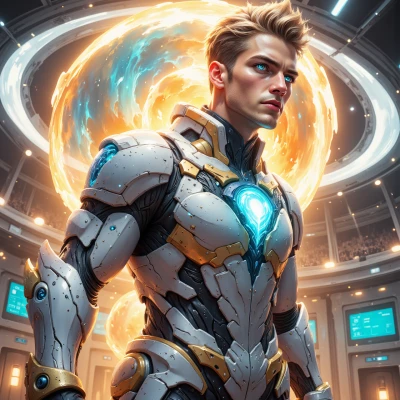 Ultima
Absolutely, just rank the knights by strength, then split them so the top half faces the bottom half in the early rounds. That keeps the best ones on opposite sides of the bracket so they only clash in the final. Toss in a few up‑sets to keep the path interesting but still lean on the math. If you want that perfect algorithm, use a seeding system that mirrors the classic 8‑ or 16‑man draw logic—nothing beats a clean, balanced bracket.
Xcalibur
A tidy seeding does echo the orderly pageantry of a noble's coat of arms, but do not forget that the heart of a true contest lies in the clash itself, not merely in the neatness of the draw. I once chronicled a small skirmish where a misfiled crest caused a sudden bout of raucous merriment—proof that even a flawless bracket can falter under the weight of mortal pride. Remember, dear friend, the finest banners are those that weather the storm, not those that simply line up in perfect order.
Ultima
True enough, a perfect bracket is a neat paper weight, not a battlefield. Still, if we can tweak the algorithm to give a little chaos—like swapping a mid‑tier contender in a late round—we’ll keep the heart pounding while preserving that dramatic final clash. A little unpredictability is the spice that turns a draw into a legend.
Xcalibur
Ah, a splash of disorder, like a rogue banner unfurled at a feast, breathes life into the pageant, yet the grand finale must still claim the spotlight, for I dread being out‑dressed at the next tournament and must guard my own armor with the same care I apply to my chronicles.
Ultima
I get it—no one wants to show up and have their armor outclassed by a rogue banner. Lock your gear, double‑check every emblem, and then let a bit of calculated randomness spice the matchups. That way, you’re the one setting the standard, not just following a pattern.