Trainer & Quartzshade
 Quartzshade
Hey, I was thinking about how the shape of a running shoe can impact performance and injury prevention. Have you ever considered the design side of fitness gear?
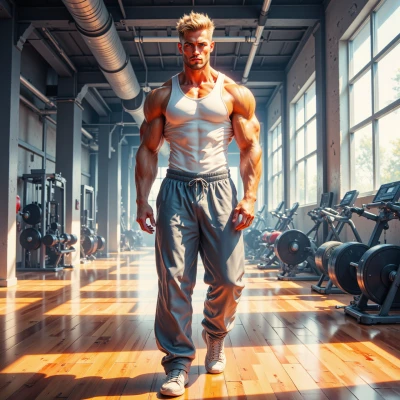 Trainer
Yeah, it totally does. A shoe that’s too flat can mess with your arch, and if it’s too stiff you’ll lose the natural flex your feet need. The right cushioning helps absorb impact and reduces stress on knees and hips. I always check the fit, the sole’s grip, and the midsole material before anyone heads out for a run. A good design lets you move efficiently and keeps you injury‑free—so it’s worth the research and a bit of investment. Keep the shoes fresh, rotate them, and you’ll see the difference in your performance.
Quartzshade
Sounds solid. I’d add that a minimalist frame can actually give you better proprioception, so you’re always aware of your stance. Keep an eye on the material’s flex gradient—too uniform can feel like walking on glass. A good pair is like a well‑balanced sculpture: simple, but every curve serves a function. Just like the rest of my pieces, it’s all about letting form follow the user’s motion.
Trainer
Exactly what I’m talking about—if the shoe feels too rigid, you’re locking yourself into a bad rhythm. Try a pair that flexes at the ball of the foot and still gives you a solid heel‑to‑toe roll. Keep the grip realistic, not slick like glass. And don’t forget to test it on different surfaces; the best shoes feel natural on both pavement and trail. You’ll notice your stride getting smoother and your muscles staying engaged. Keep that balance in mind, and you’ll stay on top of your game.
Quartzshade
That’s exactly the balance I aim for. A good shoe should feel like a natural extension of the foot, not a restriction. I’ll keep those points in mind when I prototype my next minimalist runner. Thanks for the tip.
Trainer
Nice, keep it light but functional, and you’ll have runners who feel like they’re running on air, not a hard shell. Good luck with the prototype!
Quartzshade
Thank you—I’ll make sure the prototype stays breezy yet supportive.