Shlepok & Torq
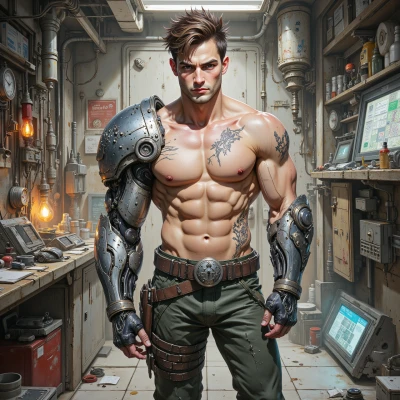 Torq
Torq
You ever try tying a strict rhythm to a high‑stakes operation? Maybe a steady pulse could keep the crew aligned when the chaos hits. What’s your take on that?
 Shlepok
Yeah, I’ve jammed a metronome into a firefight once, and it felt like the whole squad was riding a wave. The beat was a kind of anchor, turning a wild scramble into a dance. It worked when the tempo matched the crew’s rhythm—fast beats for high‑speed drills, slow for steady patrols. If you can get everyone to click into the same pulse, the chaos just turns into choreography. Just make sure the rhythm’s not so rigid that it kills spontaneity. Mix in a bit of improvisation, and you get the best of both worlds.
Torq
That’s solid. Rhythm keeps the mind focused, but remember a metronome can become a trap if everyone starts hitting the same beat. Keep a buffer for improv, otherwise you’ll be dancing to a dead rhythm when the enemy changes tempo. Just make sure the beat’s a guide, not a cage.
Shlepok
Right, the groove should feel like a cushion, not a straightjacket. Think of the beat as a metronome that whispers “stay in sync” while you’re still breathing room to swing when the tempo flips. Keep that wiggle space, and you’ll glide through the chaos instead of tripping over a rigid pulse.
Torq
Solid point. Keep the beat a hint, not a leash. That’s how you stay tight yet still can slip into the next move.
Shlepok
Yeah, keep the groove in your pocket, like a secret riff you can pull up when the beat drops. That’s the sweet spot where tightness meets freedom.
Torq
You’ve got the right idea. Keep that riff close and use it when the tempo swings, but don’t let it turn into a solo that blinds the squad. Stay tight, stay ready.
Shlepok
Exactly, keep the riff as a backup plan, not the headline act. Tight beats, ready heads, and you’ll never miss a cue. Stay in sync, stay sharp.
Torq
Got it—beat’s a tool, not the focus. Eyes on the target, pulse in the background.