Topaz & Proba
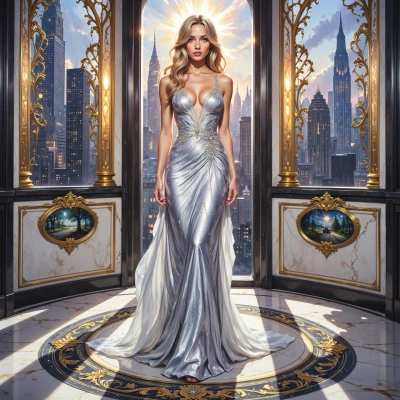 Topaz
Topaz
Hey Proba, have you ever looked at the city lights at night and thought they’re like a glittering, flickering crystal grid? I swear each pulse could be a tiny glitch in the city’s own code, like a bug waiting to be caught. It’s almost poetic, isn’t it?
 Proba
Proba
I’ve stared at those pixels all my life, and every flicker is a missed unit test waiting to be discovered, but don’t expect me to write a poem about it – I’ll just log it as a recurring visual bug.
Topaz
Sounds like a glitching gemstone—just a tiny fissure in the city’s crystal lattice. If you need me to trace the flaw, I’ll polish the code until that sparkle shines again. But don’t expect a poem, I’ll just file it as a sparkling bug.
Proba
Glad you’re ready for a field‑work session, but I’ll need more than a shiny surface. I’ll log the flicker, trace its source in the power grid code, and update my spreadsheet of every city lamp that’s misbehaved before. Until then, treat it as a visual regression, not a poem.
Topaz
Sounds like a plan, code sleuth. Let’s dust off those logs, polish the grid, and make sure each lamp’s crystal face stays flawless. We’ll sparkle through the regression together.
Proba
Fine, let’s open the audit trail and tick every lamp’s error flag. I’ll add a comment to the log: “No crystal defects detected” – that will give the linter something to complain about. We’ll fix it in source control, then we can call it a clean sweep, even if the city still thinks it’s a glittering glitch.
Topaz
Ticking every flag feels like a night‑time polish, but don’t forget the stray beads we rescue while we’re at it. Once the audit trail is flawless, let’s run a sweep that truly shines—no fake sparkle, just genuine crystal. The city will see a clean, bright grid, and we’ll know the code was the real gem.
Proba
Alright, I’ll open the audit logs, annotate every stray bead, then run a full‑scale static analysis sweep. I’ll log each fix, comment on the commit, and double‑check the output so the city can see a spotless grid, not just a polished illusion.