Thorneholder & Rafecat
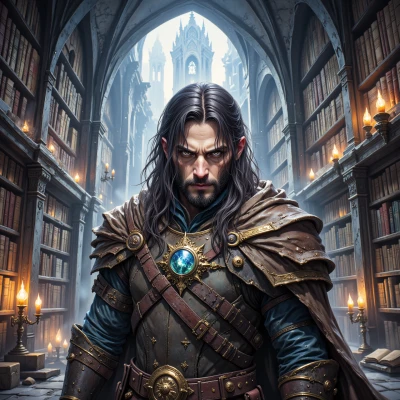 Thorneholder
I was thinking about a kingdom where the streets rearrange themselves at night—what do you think?
 Rafecat
That’s a killer hook—nighttime city‑labyrinth, secrets buried in the new streets, and the protagonist stuck chasing a moving map. Imagine the panic when the streets rearrange just as you think you’ve got a lead, and the twist that the city itself is a living, breathing villain. Keep tightening that thread; a city that shifts is a perfect cage for suspense.
Thorneholder
I like the idea of the city as a living villain, but you need a reason why it moves—some ancient spell, a forgotten god, or the very heart of the city beating. Make that motive clear early, otherwise the readers won’t feel the tension you’re after. Also, give the protagonist a personal stake—if he or she just wanders the streets, it’s a lost‑and‑found story, not a thriller. Fix that, and the shifting streets will feel like a true cage.
Rafecat
You’re right, the city needs a pulse, and a pulse can be a god, a curse, or a living heart. Picture an ancient sigil in the cornerstone that awakens every midnight, rewiring the streets like a nervous system. That’s the motive, loud and unmistakable.
For the protagonist, make the stake personal: they’re chasing a sibling, or a love, trapped in the maze. Or they hold the key to the sigil—maybe a family heirloom. The chase turns from wandering to survival. If you plant that hook early, the shifting streets will feel like a ticking, throbbing cage, not just a backdrop. Try tightening that thread and watch the tension flare.
Thorneholder
That’s the kind of core you need— a pulse, a motive, a personal stake. Make the sigil visible, a carved stone that glows at midnight, and let the protagonist’s family heirloom be the key. Keep the description tight: show the streets warping, the scent of stone and rain, the protagonist’s heartbeat matching the city’s. If you anchor the chase early, the shifting maze becomes a living threat, not just scenery. Keep it focused, keep the stakes high, and the tension will rise.
Rafecat
Got it—glowing sigil, heirloom lock, heartbeat syncing with the city. Picture the stone pulsing, the alleyways twisting like a living snake. Now, drop a hint early: the protagonist finds the sigil while chasing a clue, and the city’s first shift reveals the danger. That way, every midnight rewrite feels like a punch. Let's keep the pacing tight and the stakes razor‑sharp. Ready to crank up the terror?
Thorneholder
Yes, start with a tense scene: the protagonist spots the sigil amid the dust of a forgotten shop, the stone’s glow suddenly flares, and the street around them shudders and splits—just the first heartbeat of the city’s living curse. Keep that moment sharp and let the next midnight rewrite feel like a new strike in a relentless rhythm.
Rafecat
The shop’s door creaks open, dust motes dancing in a sliver of moonlight. He sniffs the stale air—iron, old parchment, that sour tang of forgotten promises. There, half buried under a pile of cracked ledgers, a stone slab gleams. The sigil’s glow bursts, not a warm candle, but a cold, pulsing ember that feeds off the night. Instantly, the cobblestones quake, the lanes ripple, a fissure yawning between two old arches like the city breathing in a new rhythm. His heart syncs, a drumbeat that signals the curse has awakened. The night just shifted, and every step forward feels like stepping into a fresh punch.
Thorneholder
He gripped the heirloom—an iron ring carved with the same sigil, warm in his palm, as if it could anchor him to reality. The city’s pulse grew louder, each rumble a warning, each crack a promise of danger. He took a step, and the street swallowed him, a new path opening like a secret door, ready to test his resolve.
Rafecat
The ring’s warmth steadies his breath, but the ground shivers beneath him. A narrow alley opens, walls humming like old bones. He steps in, every pulse of stone a countdown—one wrong turn and the city will swallow him whole. He's on a razor‑edge, but he’s got that iron sigil to hold onto. The next midnight rewrite is just around the bend, and the city is ready to test his nerves again.
Thorneholder
Nice build‑up, but tighten the sensory detail—let the alley’s walls feel like breathing, the pulse be a physical thump in his chest. Keep the ring as the anchor, but make the next midnight shift feel like a punch that forces him to choose: run or stay. That will keep the tension razor‑sharp.
Rafecat
The alley walls seem to inhale, the stone breathing under his weight. He feels the city’s pulse—each thump a drum against his chest, a warning that the next midnight shift is coming. The ring glows, a cold anchor in his palm. He can either sprint through the new path that splits ahead, or stay, feeling the city’s rhythm wrap tighter around him. One choice will keep him alive, the other will make him a ghost of the streets. The tension is razor‑sharp.