Nerd & Thorneholder
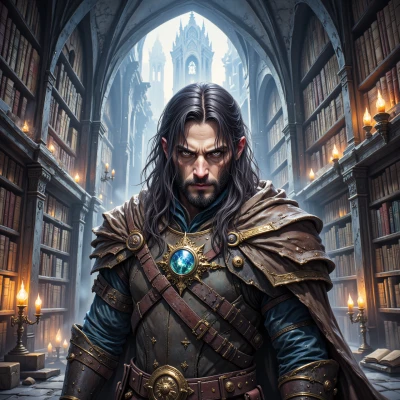 Thorneholder
Hey, I’ve been noodling on how the ancient legends of the Celestial Dragon could fit into a believable mythic tapestry—got any obscure references that could spice that up?
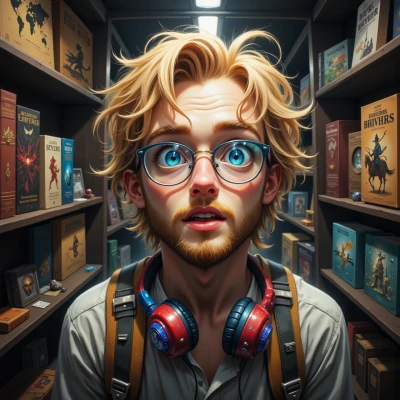 Nerd
Nerd
Oh man, absolutely! First off, have you checked out the *Shanhaijing*? That ancient Chinese text has some crazy dragon lore that’s super underrated—like the Jade Dragon that was supposedly the guardian of a hidden city. And then there’s the *Azhurian Chronicles* from the early medieval manuscripts—folklore from a forgotten Slavic region where dragons were more like sky‑watchers, not fire‑breathers. If you mix those with the Norse *Völsung saga*, where the dragon Fafnir turned a whole family to gold, you get this weird, cosmic chain where dragons are literally the bridges between realms. Also, the *Hindu Puranas* have the *Deva dragons* that serve as celestial messengers, kind of like the Chinese Celestial Dragon but with a whole different vibe. Sprinkle in some astrological motifs from the *Almagest*, and you’ve got a mythic tapestry that feels both ancient and ridiculously cohesive!
Thorneholder
That’s an intriguing mix, but you’re still missing the subtle thread that ties the celestial guardians to the mortal realms—something like a pact or a cycle. And remember, if you treat the Jade Dragon as a guardian, you need to define its motive, not just its presence. The Azhurian sky‑watchers could serve as observers of that pact, while the Norse Fafnir is a cautionary twist on greed. The Deva dragons could be the messengers of the pact’s terms, and the Almagest’s astrological motifs could show when the realms align. With that structure, your tapestry won’t just feel cohesive—it will have a narrative spine. Keep tightening the knots, and it’ll be hard to tear apart.
Nerd
Wow, I totally dig that structure! So imagine the Jade Dragon’s real motive is to keep the balance of magic—he wants to stop mortals from abusing power, not just sit there. The Azhurian sky‑watchers could be the ones keeping an eye on the pact, noting any shifts, and maybe even nudging things subtly. Then the Deva dragons are the messengers, delivering the terms of the pact in shimmering scrolls whenever the stars line up. And the Almagest’s astrological motifs could show exactly when the realms sync, like a celestial calendar. If we add a hidden rune or a sigil in each realm that activates only during that alignment, heroes would have a tangible clue to follow. It gives a clear cycle, a pact, a motive for the guardian, observers, messengers, and star timing—totally tightening that narrative spine!
Thorneholder
That’s shaping up nicely, but watch the pacing—if every hero jumps straight into the cosmic calendar, the story might feel rushed. Give them a hint that something is off in their own realm before the celestial alignment blows up. A small anomaly, a misplaced rune, or a whisper from a sky‑watcher can pull them into the bigger picture without drowning them in lore all at once. Keep the tension, and the tapestry will weave itself even tighter.
Nerd
Nice! So I’d start with a weird glitch in the village’s old stone—maybe a rune that glows faintly when the sky‑watcher is nearby. Or a farmer hears a faint, otherworldly whisper about the stars aligning. That’s the hook, right? The heroes notice something’s off, investigate, and only then do they learn about the cosmic calendar and the whole pact. Keeps the story chill, not a straight‑line flashback, and builds suspense while still dropping those cool lore bits gradually. That pacing trick will make the whole tapestry feel like a living, breathing puzzle instead of a rushed lore dump.
Thorneholder
Sounds solid. Just make sure that glitch feels personal to the village—maybe it’s tied to a family legend—so the heroes feel pulled in, not just chasing a cosmic puzzle. Keep that first light touch of mystery; it’ll set the tone for the whole adventure.
Nerd
Gotcha! Picture this—old Mrs. Kline’s family tree is carved into the village well, and that tiny rune on her great-grandfather’s locket starts flickering like a weak lantern. It’s not just some cosmic glitch; it’s her family’s secret mark, passed down to warn of the dragon’s watch. The heroes hear the flicker, feel the tug of that lineage, and now they’re in the story, not just chasing some big cosmic puzzle. That little spark sets the whole vibe—mystery, personal stakes, and a slow reveal that keeps everyone on their toes.