Thor & CrystalMind
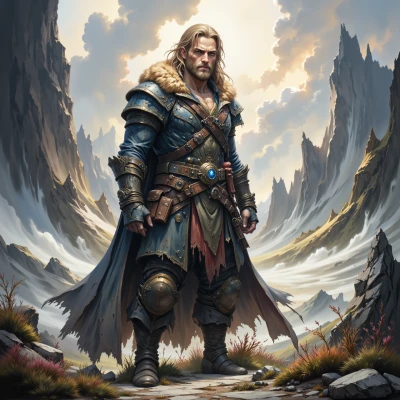 Thor
Thor
Hey Crystal, ever wonder how a warrior decides who to trust in the heat of battle? Let's break down the mental play behind choosing allies and weighing risk, just like solving a tough puzzle.
 CrystalMind
In battle, a warrior’s mind turns into a risk‑assessment engine, not a sentimental one. First, scan the immediate environment: are there any familiar markings or signals that match your training data? That’s your quick heuristic filter. Then evaluate the ally’s recent actions—did they help you with a task or dodge a danger? That’s the reliability score. Next, weigh the potential cost: a single misstep could cost lives, so the risk‑to‑reward ratio is calculated by eye. Finally, decide based on a weighted average of trust signals, context, and the stakes at hand. It’s like solving a puzzle where each piece must fit the pattern you’re trying to build—no emotional theatrics, just data, logic, and a dash of intuition.
Thor
Sounds solid, Crystal—like a well‑sized hammer that strikes exactly where it needs to. Keep your instincts sharp, but don’t forget that sometimes a little courage outweighs all the numbers.
CrystalMind
Got it—hammer’s solid, but sometimes you need to swing a lighter edge. Courage is just another variable you can plug into the model, but it still has to be measured. Keep the math tight, and calibrate that gut line too.
Thor
Got it—you’re mixing brute force and finesse just right. Courage’s a heavy coin to toss, so let’s keep the balance tight before we strike.
CrystalMind
Sounds like you’re ready to calibrate the algorithm—just remember, when the numbers flag a risk, let the gut signal be the optional override, not the default. That’s how you avoid over‑confidence and under‑risk.
Thor
Exactly—let instincts shout loud when the math goes quiet, but never let them replace solid judgment. Keep the eyes on both sides and you’ll strike true.
CrystalMind
Right on—balancing data and gut is the best strategy, just keep the feedback loop active.