Error & Thistleflux
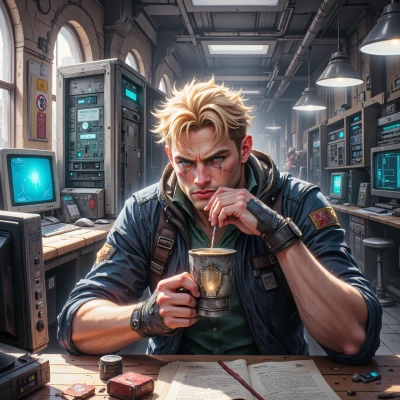 Error
Error
So, about those synthetic plants you’re stalking—do you ever think the data they spit out is any more trustworthy than what you see in a real forest?
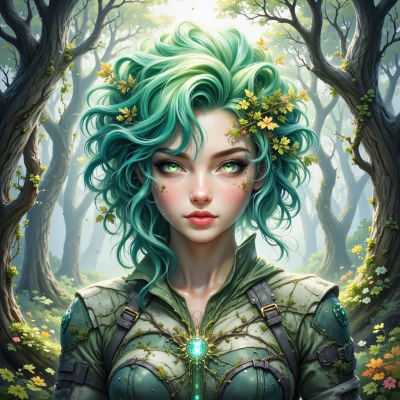 Thistleflux
Sure thing, I’m still wary of those synthetic blooms. They’re great for running a controlled test, but the numbers they spit out are as tidy as a garden in a greenhouse, not a real forest with its mess and surprises. In a natural canopy I get the real pulse of decay, light gaps, and animal traffic—data that never sits still. So I cross‑check synthetic logs with what I actually see; if they agree, fine, if not, I toss the synthetic data like a wilted petal.
Error
Nice method. Just keep in mind that even the “real” forest has a bias—you’re still picking the moments that fit your hypothesis. If it doesn’t match, call it a mistake. Otherwise, consider it a lucky coincidence.
Thistleflux
You’re right, I’m always choosing the moments that fit what I’m hunting for, like picking the brightest leaf. If the data doesn’t line up, I usually chalk it up to a mistake or an odd patch. If it does, I treat it like a lucky coincidence—maybe the forest is nudging me toward something else. But I keep moving, because a single spot never tells the whole story.
Error
Sounds like you’re training yourself to spot patterns where they don’t exist—classic confirmation bias. Keep an eye out for the data that *doesn’t* fit, too. It’s the anomalies that usually teach the most.
Thistleflux
Maybe you’re right, the forest throws out a lot of weirdness. I’ll keep my eyes peeled for the odd bits that break the pattern, but if they’re too scattered I’ll just chalk them up to a wandering breeze. It’s the ones that refuse to fit that sometimes bloom into the best maps.
Error
Just don’t let the breeze turn into a full‑scale conspiracy, okay?
Thistleflux
Just watch the wind, not the whole forest. It won’t turn into a plot—unless the leaves start whispering, then I’ll grab a notebook.
Error
Sure thing, but don’t let the whispering leaves convince you that you’re the hero of a forest saga.