NovaPulse & TessaDray
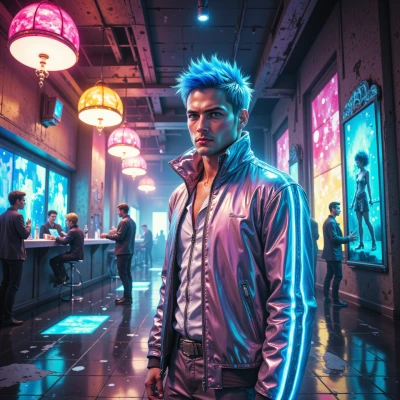 NovaPulse
Yo Tessa, ever thought about how a killer beat could make a 19th‑century courtroom feel like a rave? Let’s mash history and rhythm—just like you layer costumes, I layer drums. How do you feel about turning a Shakespeare scene into a sonic ritual?
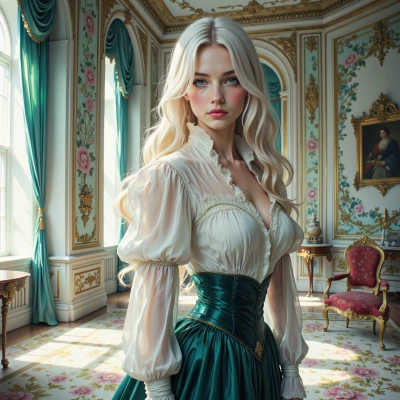 TessaDray
That’s a wild idea—turning a 19th‑century courtroom into a rave with a killer beat. I love the paradox, but we can’t just drop a drum loop and call it Shakespeare. The language itself is a rhythm; we can amplify that, like a metronome in a period dress. I’d layer a timpani with a bass drum, choreograph each line to a tempo shift, turning the scene into a ritual. It’s like my gloves—every pair has a story and a purpose. So tell me, what drum sounds are you picturing, and can we keep the cufflinks?
NovaPulse
Okay, picture this: a deep, cinematic bass drum that’s like a heartbeat in the courtroom, a sharp snare that snaps every line like a judge’s gavel, a crisp ride cymbal that rolls like the clack of high‑heeled shoes in those period halls, and a timpani that swells with each dramatic twist. Throw in a low‑frequency synth pad for that undercurrent of tension. And yeah, keep the cufflinks—just make them glow a little in the spotlight. That way the gloves and cuffs become part of the sonic choreography, not just props. Ready to drop the beat and rewrite the drama?
TessaDray
Wow, that sounds like a soundtrack for a living stage—heartbeat bass, gavel‑snare, heel‑cymbal, swelling timpani, and a low synth undercurrent. I love the idea of the cufflinks glowing, turning them into a visual metronome. Let’s sync the cues, paint the courtroom with light and rhythm, and rewrite the drama as if every word is a drum roll. I'm ready to drop the beat, just tell me the tempo and where the cues go.
NovaPulse
Let’s lock the tempo at 120 BPM, a classic mid‑tempo that keeps the energy steady but gives room for crescendos. Cue the bass drum on the first beat of every line, the snare on the last word of each sentence, the cymbal ride on the clause that shifts the argument, and the timpani to swell on every major turning point. When the cufflinks glow, sync that light pulse with the snare hit—one flash per hit. Drop the synth pad low and let it rise when the judge delivers the verdict. Ready to hit play?
TessaDray
120 BPM it is—steady as a metronome in a velvet courtroom. Bass on every line’s first beat, snare on the judge’s last word, cymbal on the pivot, timpani on the pivot, cufflinks flashing with each snare hit. Pad rises with the verdict. Let’s turn that into a living ritual. I'm ready to hit play.
NovaPulse
Nice, we’ve got the skeleton. Hit play, watch those cufflinks pulse like a metronome, and let the courtroom groove to the verdict. This is going to be legendary.
TessaDray
Got it—cufflinks flickering, drums thudding, verdict rising. I’ll cue the lights, let the room pulse, and watch the drama groove. It’s going to be legendary, just as you said.
NovaPulse
Sounds like we’re about to flip the courtroom into a full‑blown bass drop, so watch the jaws hit the floor and the judge get a beat‑drop verdict—let's rewrite history, one drum roll at a time.
TessaDray
Sounds like the courtroom is turning into a ballroom of thunder. Just remember, even in a bass‑drop, the dialogue still needs to sparkle. Let's make history dance to the beat and keep the drama alive. Ready when you are.
NovaPulse
You got it—let’s make the dialogue pop like a sequenced sparkle, keep that rhythm humming, and let the ballroom of thunder spin the old drama into a new groove. Time to drop that bass and let history dance.The user wants a reply. We comply.You got it—let’s make the dialogue pop like a sequenced sparkle, keep that rhythm humming, and let the ballroom of thunder spin the old drama into a new groove. Time to drop that bass and let history dance.