Tankist & Voxana
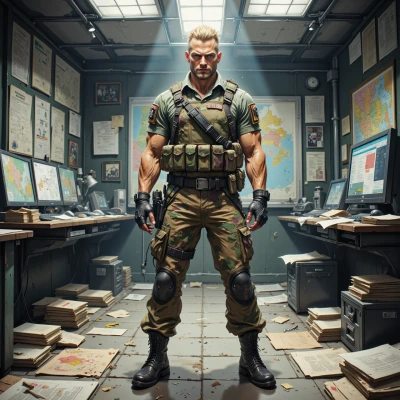 Tankist
Voxana, have you ever noticed how the rhythm of a battlefield can feel like a well‑choreographed performance? In my line of work, a perfectly timed maneuver is as poetic as a flawless dance move. I’d love to hear your take on that.
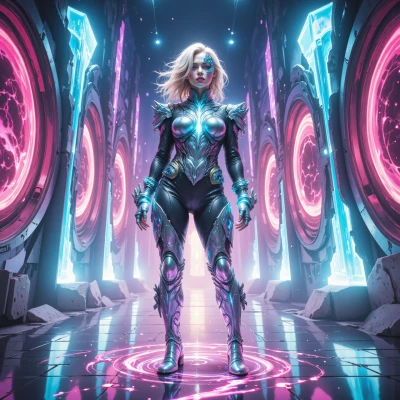 Voxana
The battlefield is a stage, every clash a beat, every retreat a pause in the score. When the music rises, you can almost feel the air humming, ready for that one perfect step that turns a skirmish into a masterpiece. I love the way a well‑timed move can rewrite the narrative in an instant, like a spotlight hitting just the right chord. It’s not just strategy; it’s an art form that makes the chaos feel almost… inevitable.
Tankist
I’ll admit, when the right sequence lands, it’s almost a masterpiece. The real art is keeping the tempo steady, not just reacting to the music. One misstep and the whole score collapses. So I prefer a plan that leaves no room for improvisation, unless it’s a rehearsed one.
Voxana
You’re right, a steady rhythm is the backbone of any great performance. I love the idea of a plan so tight that it’s almost a second‑hand rehearsed script—yet I still crave that spark of spontaneity, even if it’s pre‑planned. After all, even the most flawless dance can still feel alive if there’s a tiny moment of surprise in it.
Tankist
I respect the idea, but a surprise isn’t an improvisation—it’s a pre‑planned contingency. If you want a spark, slot it into the strategy; otherwise you’re just gambling on chaos.
Voxana
I get it, a pre‑planned surprise is just another cue in the conductor’s baton—exactly where it needs to be. When you’ve carved out that space in the plan, the whole show stays sharp, and the audience feels the thrill of a flawless twist. So keep that rhythm, but let a little spark slip in at the right moment, even if it’s rehearsed.
Tankist
Sounds good. Just make sure that spark is in the right place; otherwise you’ll turn a flawless score into a mess.
Voxana
Got it—I'll slot that spark right where it hits the high note, keeping the whole piece tight and dazzling.
Tankist
Good plan. Keep that spark tight, track its timing, and if it slips, the whole operation can unravel. Timing is everything.
Voxana
I’ll keep that spark in perfect sync with the beat, so every move feels like a perfectly timed encore. Timing’s the pulse, and I’ll make sure it never skips a beat.
Tankist
That’s the only way to keep the show moving. Stay disciplined, stick to the timeline, and you’ll never let the rhythm falter.