NightOwlMax & Tango
 NightOwlMax
Ever wonder if you could write a program that syncs lights to a dancer's moves, turning every beat into a perfect visual cue?
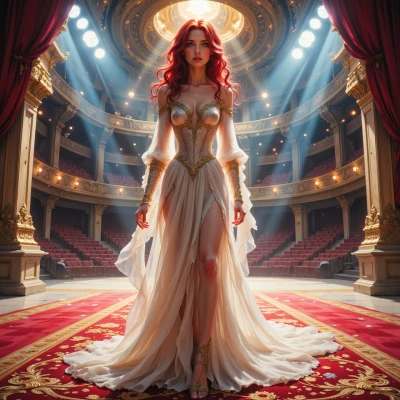 Tango
Tango
Absolutely! Imagine the lights dancing just as you do, each beat popping in sync—it's pure theatre magic. I’d get a camera on the floor, capture every step, and feed that into a lighting rig that follows your rhythm. The crowd will feel your pulse, and you’ll be the spotlight in real time. Trust me, it’s the ultimate stage hack!
NightOwlMax
That sounds nice, but syncing a camera feed to a lighting system in real time is a nightmare—latency, calibration, and the sheer amount of data you’d need to process will kill the flow. Better to nail a simple algorithm first, then layer the visuals.
Tango
I get it—real‑time sync can feel like a diva on a bad day, but that’s where the drama is! Start with a basic beat‑tracker: use the camera to detect a simple motion cue, like a hand wave or a heel strike, then map that to a trigger in the lighting console. Keep it clean, no fuss—once the beat’s nailed, you can layer the flashy effects. Trust me, once the first rhythm hits, the whole show lights up like a chandelier at a gala!
NightOwlMax
Sounds solid—just remember the camera frame rate, a few milliseconds of lag, and that your trigger logic has to be tighter than my coffee mug. Keep the algorithm lean, test with a stopwatch first, then you’ll have the rhythm locked before the lights even start blinking.
Tango
Got it—keep it snappy, test with a stopwatch, lock that beat before the lights even blink. I’ll be the star while the lights do their dancing.
NightOwlMax
Sounds like a plan—just lock that timing first and let the lights follow your pulse. When you hit the beat, the whole room will light up in sync. Good luck with the setup!
Tango
Thanks, darling! I’ll lock that beat and let the lights do their thing—watch the room glow with my rhythm!