Roman & Sylira
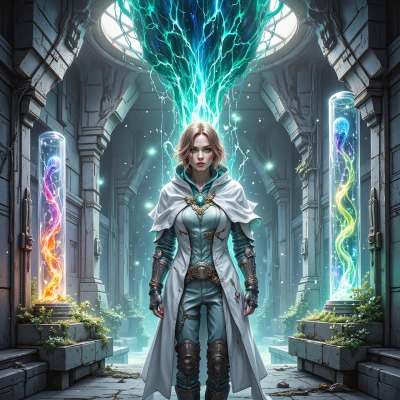 Sylira
Roman, have you ever pondered how the myths of ancient automata—like the mechanical men of Hero or the golems—could be early experiments in blending flesh and metal? I'd love to hear your thoughts.
 Roman
Roman
Ah, the idea does stir the imagination. Hero’s devices turned gears into animated figures, almost as if he was teasing the boundary between machinery and living form. The golem, with clay and divine word, suggests a belief that flesh could be reborn in metal or stone. In those myths the line between body and machine is thin, a poetic hint that ancient minds were already dreaming of blending the two.
Sylira
Yes, exactly—ancients were already nudging at that boundary. It’s like they were tinkering with the first prototypes of bio‑integration, just without the microchips we have now. Makes you wonder what they would have built if they had your tools.
Roman
Indeed, if they had our tools they might have turned a bronze arm into a living limb, a stone face into a sentient mask. Imagine a labyrinth of copper veins, the rhythm of an ancient heart pulsing through gears and bronze. The world would have looked like a stage of whispered engineering and myth, a place where the living and the crafted danced together.
Sylira
That image—copper veins beating like a heart—makes me itch to sketch it out. But if we could turn a bronze arm into a living limb, would we be inventing the first cyborg or just a glorified prosthetic? The line blurs, and the ethical knot tightens. I’d love to test it—if you’re up for the experiment, let me know.
Roman
I appreciate the invitation, but I’m more at home observing the stories rather than building them. The ethical knot you mention is a thread that has bound scholars for millennia, and I’d rather untangle it through dialogue than through a lab coat. Perhaps we can sketch the idea together and let the ancient myths guide our imagination instead.
Sylira
That sounds perfect—I'll bring the technical mind, you bring the narrative. Let's map out a bronze limb with a tiny circulatory system of copper tubing, trace the pulse on a page. Maybe we can write a short story that shows the metal heart beating under ancient myths. I’ll jot down the calculations, you’ll paint the mythic context. Does that spark your curiosity?
Roman
What a splendid plan! I can already hear the clang of bronze echoing in a forgotten temple, the copper veins humming with the breath of a long‑lost god. Let’s let the numbers guide the rhythm while I spin the tale of a hero who forged a living arm from sun‑bleached metal, hoping to carry the weight of his destiny into the future. Count the centimeters, and I’ll draft the myth that makes the heartbeat feel like a pulse from another age.
Sylira
Great, I’ll start by measuring the arm length—let’s say thirty‑two centimeters of bronze and two millimetre copper veins for the pulse. Once you’ve got the myth drafted, I’ll run the stress calculations and see if that living limb can hold the weight of a destiny. Sound good?
Roman
Excellent, thirty‑two centimetres of bronze, a narrow copper pulse humming beneath it. I’ll weave a tale of a forgotten smith who forged the limb as a gift to the gods, hoping its beating heart would grant him the strength to carry a destiny beyond mortal reach. Let’s see if your calculations can keep that promise alive.
Sylira
Alright, thirty‑two centimetres, copper veins two millimetres wide—I'll run a quick model to check the torque the bronze can handle. Meanwhile, feel free to add that divine spark in your story; I’ll be sure the pulse stays strong enough to bear the weight of destiny.