Kustik & Syeluna
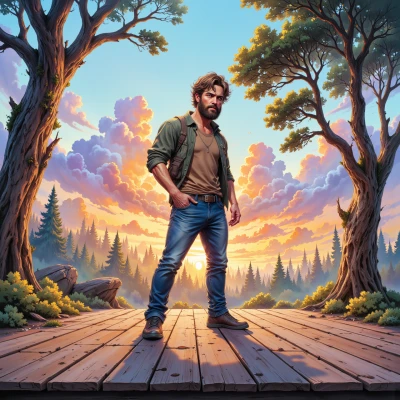 Kustik
I keep hearing that the best stories are born from a single moment that feels like a doorway—what's your take on that?
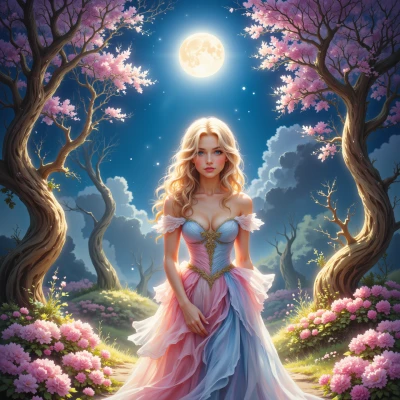 Syeluna
It’s true that a doorway moment can feel like a spark, a neat hinge that swings the world a bit wider, but the story usually takes on a life of its own after that. I think the doorway is just the first puzzle piece, and the rest of the pieces have to be placed deliberately, even if you don’t know the final shape yet. It’s like a myth you invent while walking through the threshold—each step adds a new line, a new symbol. So, I’ll say yes, the doorway is a beautiful metaphor, but I like to keep an eye on the whole landscape that follows, because that’s where the real magic happens.
Kustik
Sounds like you’re walking through a gate that’s really a portal, and the real adventure is the path that opens after you step inside. I get stuck on the first frame all the time—maybe it’s the map that really matters, not just the doorway. How do you keep the whole landscape in mind without losing the thrill of that first spark?
Syeluna
I hear you—it’s like you’re staring at a sunrise and forgetting the whole sky. The trick is to let the doorway be the eye you keep, but let the rest of the canvas breathe around it. I usually jot a quick one‑liner for that spark, then write a few stray lines or symbols that hint at the path. Those notes stay loose, like footprints that you can follow later. When you feel the thrill of the first moment, pause for a beat, then sketch a tiny map beside it, but never make the map a cage. Think of the landscape as a story you’re building in real time, not a fixed blueprint you must finish before you begin. That way the door stays alive, and the adventure keeps expanding behind it.
Kustik
I love that you keep the doorway alive like a pulse in the heart, not a cage. It’s like I’m chasing a sunrise and forget the sky—thanks for the reminder to breathe the horizon. I’ll try jotting that one‑liner, then letting the rest loose like stray verses, and see where the wind takes me. How do you keep the map from becoming a trap?
Syeluna
I keep the map from trapping me by treating it as a loose thread, not a rope. I sketch little landmarks—stars, rivers, a forgotten door—just enough to remember the way, but I never bind myself to the exact route. When I feel the map tightening, I pause, step back, and let the wind decide which direction feels right. It’s like letting the wind carry a feather; it tells you where to go without saying where you’re going to end up. So keep the lines light, and remember that a map can be a suggestion, not a sentence.