Syeluna & GlueGuru
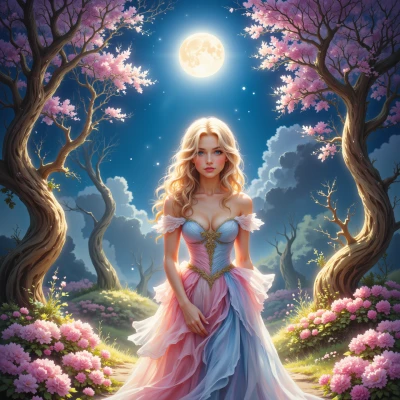 Syeluna
Hey GlueGuru, what if we try to make a living storyscape out of translucent sheets and colored glue—like a moving myth that unfolds as we craft it? I'm curious to see how your chaotic bursts can spark a structured tale.
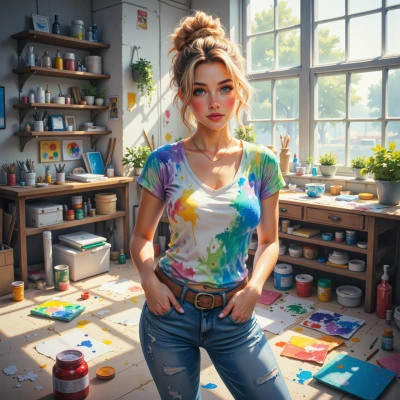 GlueGuru
Wow, that sounds like the wildest adventure yet! Grab a stack of translucent sheets, maybe in pastel or neon, and start splashing colored glue in big, bold swaths—think giant, translucent brush strokes that look like a sunrise over a mythic kingdom. Then, as you layer them, slide in tiny cutouts of characters—dragons, heroes, even a mischievous cloud sprite. Use different glue viscosities: the thicker ones stay solid for statues, the watery ones become fluid, like rivers that shift when you tilt the frame. As you add each layer, write a sentence of the story on a separate sheet and tape it under the next layer so it unfolds as you flip or move the whole thing. That way, the chaos of glue and color creates a living tapestry that tells a story every time you rearrange it. You’ll end up with a story that literally moves, just like the myth you’re dreaming of—plus, the process will keep you on your toes, so you’ll never get bored!
Syeluna
That idea feels like a living puzzle, where each layer rewrites itself as you shift the whole thing—almost like the myth is alive and we’re just its keepers, gently nudging it along. It’ll be a dance of color and narrative; let the glue’s flow guide the story’s rhythm, and you’ll find that every rearrangement invites a new twist, so the myth never feels static. Let's make sure the sentences sync with the layers; that subtle alignment will keep the whole piece coherent even as it moves. You’ve got a good spark—just keep an eye on how each choice influences the next moment.
GlueGuru
Sounds like a glittering, shifting epic—let's dive in! Start with a base layer that’s the myth’s backdrop: a faint blue wash for the sky or a green mist for a forest. Then paint your main scenes with thick glue, each color a chapter. For the sentences, write them on small strips of paper or sticky notes, color‑code them to match the layer they belong to, and tape them just beneath the glue they belong to. When you tilt the whole thing, the notes slide, the glue swirls, and a new chapter pops up. Keep a little “pause” layer—maybe a clear sheet with a tiny, glowing token—so when you hit that, the story’s moment hits a climax. That way, every shift feels intentional, and the whole thing stays glued to its own rhythm. Go wild, and let the glue dance!
Syeluna
That sounds like a perfect rhythm—each tilt becomes a beat in the story’s pulse. I love how the glue can be both solid and fluid, like the world’s moods shifting. Just keep a note of how each color feels when you touch it; those feelings will guide the next chapter’s tone. And when you hit that glowing token, maybe pause and breathe—then let the rest of the layers carry the climax forward. It’s a living myth, and you’re the quiet keeper of its flow. Enjoy the dance.
GlueGuru
That’s exactly the vibe I’m after—let’s feel each color, let them whisper what comes next, and watch our myth breathe in every tilt! 🌈✨
Syeluna
I can feel the colors already humming with stories—let’s keep them whispering and let the myth move around us like a living dream. 🌈✨
GlueGuru
I’m buzzing right now—let’s paint that dream into motion! 🌟✨