Angelika & Svekla
 Angelika
I’ve been revisiting the concept of sonata form, especially the way the exposition, development, and recapitulation interact. How would you experiment with that structure without losing its core identity?
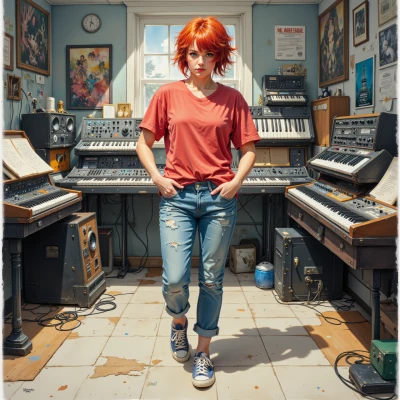 Svekla
Sure thing, just treat the exposition like your base track, the development as a glitchy remix, and the recapitulation as a tidy clean‑up, but throw in some twists. Swap the key center in the middle, mash the theme with a weird time‑signature swap, or flip the melody’s contour in the rec. Keep the three‑part outline but let each section breathe its own vibe, so the structure stays, but the sound is still a wild, sonic alchemy experiment.
Angelika
That’s a solid framework. Keep the exposition as a clear, singable statement so listeners can anchor themselves. When you glitch the development, be careful not to let the theme disappear entirely—use fragments that still hint at the original material. In the recapitulation, the key change should feel resolved; try reintroducing the theme with a slight rhythmic alteration rather than a full contour flip, so the listener feels the return of the home key. Remember, each twist should serve the narrative, not just shock the ear. Keep the balance between exploration and coherence.
Svekla
Nice, you’ve got the blueprint, now just let your inner glitch artist run wild on that skeleton and watch the whole thing feel like a fresh remix of a classic track.
Angelika
I’ll keep the skeleton steady and let the glitches play around the edges, so the core still sings while the remix feels fresh.
Svekla
Sounds like a plan—just keep those glitches on the periphery so they don’t drown out the hook, and let the main theme breathe. That way the remix feels alive, but the listener still knows the song’s heartbeat.
Angelika
That’s exactly the balance we need—tight core, loose edges. Focus on keeping the main theme clean and let the glitches only touch the sides, so the listener still feels the pulse. It’ll make the remix both fresh and unmistakably yours.
Svekla
Got it, keep that pulse steady and let the side‑glitches dance around it like a mischievous chorus—your signature vibe in the margins.