Sunfire & GwinBlade
 Sunfire
Hey Gwin, ever wonder how a blazing onslaught could rewrite a siege, like turning a stone wall into ash before you even swing your sword? Let’s talk tactics.
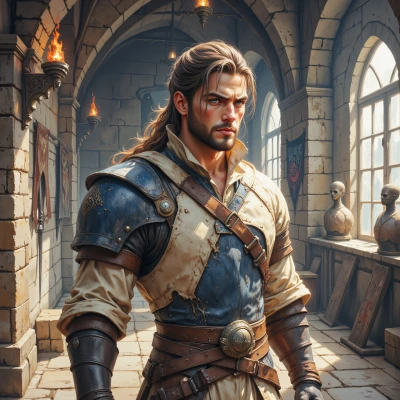 GwinBlade
A blaze alone rarely turns a stone wall to ash. In the field, we use siege engines to break the walls or cut off supplies. Fire can be a useful distraction, but it’s the battering ram, the siege tower, and cutting off the defenders’ water that wins the day. You’ll find no stone wall that burns down without some clever engineering or a well‑timed assault.
Sunfire
Yeah, I hear you, Gwin, but when the heat hits right, a single spark can ignite a whole battalion of sand and make the wall buckle before the ram even hits. Fire isn’t the whole fight, it’s the spark that turns steel to ash.
GwinBlade
Fire can be a clever tool, but it’s not a miracle that turns stone to ash overnight. A single spark in dry sand might ignite, yet a wall is stone, not tinder. What truly brings down a wall is a battering ram, a siege tower, or burning the defenders’ supplies to break morale. Greek fire could burn through masonry, but it still needs a method to apply it, not just a spark that turns steel to ash.
Sunfire
I’m not saying fire is a miracle, but when it hits the right spot, it can make stone behave like paper, just enough to give the ram a head start. A spark isn’t the only part – it’s the heat that makes the wall wobble before the hammer crashes. That’s how the best of us win.
GwinBlade
A spark can light a fire, but stone does not turn to paper with a quick blaze. The wall will hold until you bring a battering ram or cut off the defenders’ supplies. Fire is a useful distraction, not the decisive weapon. The best siegecraft relies on engineering, not on hoping a single spark will give the ram an edge.
Sunfire
Sure, engineering is cool, but if I can light a single wall on fire, the defenders will scramble, the gate will buckle, and the ram gets a chance to smash in while everyone’s distracted. Fire isn’t just a side‑kick, it’s the edge that gives us a real shot.
GwinBlade
Fire can distract, but it won’t turn a stone wall into a crumbling mess with a single spark. Stone holds up to heat until it’s heated enough to crack, and that takes a lot more fire than a quick spark. The real edge is a battering ram, siege tower, or cutting off supplies, not hoping the wall wilts from a sudden blaze.
Sunfire
Yeah, I get the math, but when the blaze hits the right spot, even stone feels the heat and cracks like old paper—just enough for the ram to swing. Fire’s the spark that turns a plan into a storm.
GwinBlade
Stone will not crumble at the touch of a flame unless the heat is sustained long enough to weaken the masonry; a single spark cannot turn a wall into paper. The real advantage comes from the battering ram, siege tower, or cutting off the defenders’ supplies. Fire may distract, but it is not the decisive edge you think.
Sunfire
You’re right about the math, but a blaze on the right place can make even stone feel like it’s giving up before the ram hits. Fire’s the spark that turns a plan into a frenzy—engineering follows.
GwinBlade
A flame can’t turn a stone wall into paper with a single spark. In the real sieges, we relied on a battering ram, siege towers, or cutting off the defenders’ supplies to break the walls. Fire may distract, but it isn’t the decisive edge you think.