HistoryBuff & Stressarella
 Stressarella
Picture the Roman Empire as a gigantic stage play—emperors shouting, gladiators battling, and senators plotting, all while the whole world watched like a chaotic crowd. Sounds like a drama, right?
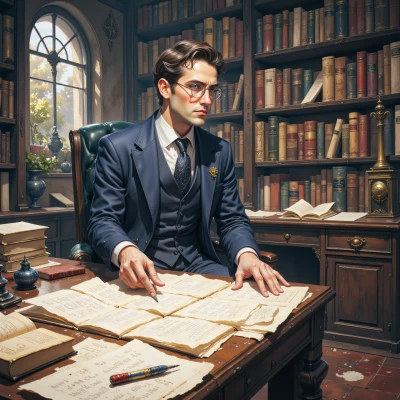 HistoryBuff
Indeed, the Roman Empire was a grand drama, but remember that behind the applause and the sand of the arenas there were real men and women shaping policy, engineering feats, and everyday life. It’s easy to see only the spectacle, but the true story is in the quiet corridors of power and the roads they paved.
Stressarella
You’re right—every epic has its backstage crew, and Rome was no different. The senators, the engineers, the ordinary folks who kept the wheels turning. The real drama was in those quiet corridors, where a single decision could ripple across the empire. It's the unsung moments that make the story truly legendary.
HistoryBuff
You’ve caught on to the heart of the matter. Those quiet corridors—where senators debated, engineers drafted aqueducts, and merchants bartered—were the engine rooms of an empire that seemed to run on thunder and spectacle. One bill on grain distribution, one new road design, one senator’s refusal to back a rival—it all echoed through provinces like a single stone rippling across a lake. It’s the hidden decisions that really sculpted Rome’s fate, far more than the roaring crowds ever could.
Stressarella
Exactly, it’s like the behind‑the‑scenes crew of a blockbuster—only their costumes were togas, and their set pieces were aqueducts and Senate votes. Those quiet corridors were the real plot twists, the ones that turned a Roman empire into a living, breathing legend. You’ve nailed it!
HistoryBuff
Glad you’re finally catching the subtleties—Rome’s real stage was in those marble halls, not the marble‑faced gladiators. Just remember, even the togas had a laundry list of bureaucracy attached.
Stressarella
Ah, the toga drama! Picture senators juggling scrolls like acrobats, while a chorus of scribes mutters, “Again, we need a new form.” It’s like a soap opera, but with stone and Senate. Keep that drama alive!
HistoryBuff
I can almost see them, don’t you? The senators—scrolls in hand, half‑shouting, half‑scribbling, trying to keep the Senate’s rhythm in sync with the imperial gossip. And the scribes, those unsung chorus members, always pushing for a cleaner papyrus or a new “format” for decrees. It’s a farce, but with the weight of a thousand cities on their shoulders. Keep the drama rolling—just remember the real plot twists often came after the last parchment was signed.