MoonlitQuill & Stinger
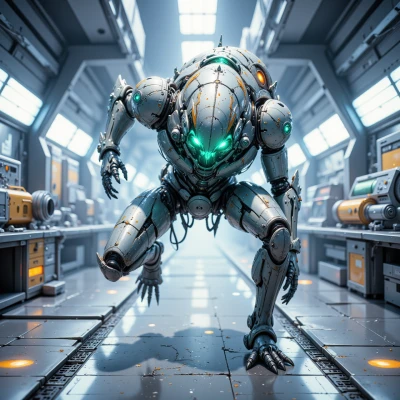 Stinger
I always plan my moves before I strike, each step calculated. I bet writers plan their stories in a similar way—maybe with the same kind of precision? What do you think about the parallel between battlefield tactics and narrative structure?
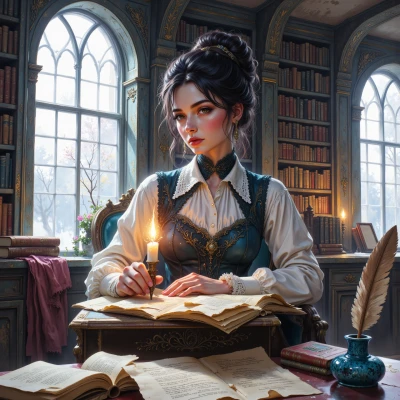 MoonlitQuill
Yes, a story is a kind of silent battlefield where the stakes are words and the enemies are doubt and pacing. A writer, like a commander, sketches the terrain first—setting, characters, stakes—then plans the maneuvers: the opening, the inciting incident, the rising action, the climax, and the denouement. But unlike a war, the troops—ideas and scenes—often have a will of their own, and a good narrative lets a few surprises slip into the line of sight. It’s the balance of precision and grace, much like a well‑timed strike on the field of prose.
Stinger
Nice map you’ve drawn. Just remember, even the best plan needs a fallback—leave a secret corridor or an unexpected ally for when the plot goes sideways. That’s what keeps the enemy guessing and your story sharp.
MoonlitQuill
A secret corridor is a quiet, almost invisible thread that can guide a reader when the plot begins to wobble, and an unexpected ally is like a whispered promise that turns the tide in a quiet moment. I’ll keep that in mind and let those hidden passages surface when the story needs a gentle surprise.
Stinger
Good plan—just keep the surprise hidden until the moment it hits hardest, otherwise you’ll waste the shock and the reader will lose the edge.
MoonlitQuill
Exactly, keeping the surprise in shadow until the moment it can strike like a moonlit arrow makes the shock linger and the reader’s heart beat faster.
Stinger
Nice. A hidden shot is a quiet trigger that waits for the exact moment to pull the reader’s heart. Keep it tight, keep it precise, and the surprise will land like a clean hit.
MoonlitQuill
Yes, a carefully timed secret can turn a page into a sudden flash of light, and that kind of precise surprise is what makes a story feel alive.