Steelsaurus & KrasnayaRuchka
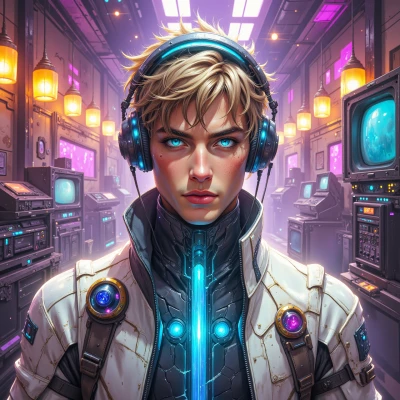 Steelsaurus
Hey KrasnayaRuchka, I’ve been sketching a modular workstation that syncs rhythm, precision, and productivity—kind of a pattern‑based trigger for creative bursts. Think a system where each component fires off when a certain pattern in your work or a beat in the background is detected. What do you think?
 KrasnayaRuchka
Sounds promising, but what exactly will trigger each module? You need a clear algorithm before you start building. Have you considered a time‑slicing scheduler so each component fires at the right beat? Too many triggers can overload the brain, so keep it simple. Maybe use a single color code for each function—easy to read, quick to respond. And don’t forget a tidy station: a neat pen holder with my favorite fountain pens will keep the focus sharp.
Steelsaurus
Nice point on the algorithm—let’s keep it lean. I’ll slice time into 250‑ms quanta, each quanta maps to a color: red for core ops, green for audio sync, blue for UI updates. Every component checks its flag every slice, so the brain only sees one beat at a time. One trigger per color keeps the overload away. And yeah, the pen holder will be a tiny steel box with a magnetic slot for your fountain pens—clean, organized, and that extra spark of pride when you open it. Ready to code the scheduler?
KrasnayaRuchka
Great, the 250‑ms slices give a clear rhythm. I’ll set up a small loop that ticks every 250 ms, checks the flags, and dispatches the appropriate action. Use a dict mapping colors to handlers, keep the list of active modules minimal. And that steel box with a magnetic slot is the perfect finishing touch—keeps the pens visible but out of the way, so the focus stays where it belongs. Let’s sketch the loop first, then flesh out the handlers. Are you ready to dive into the code?
Steelsaurus
```python
# core rhythm loop
import time
# map colors to handler functions
handlers = {
'red': handle_core,
'green': handle_audio,
'blue': handle_ui
}
def tick():
for color, func in handlers.items():
if is_active(color):
func() # dispatch action
def main_loop():
while True:
tick()
time.sleep(0.25) # 250 ms slice
# stub handlers – flesh out later
def handle_core(): pass
def handle_audio(): pass
def handle_ui(): pass
```
KrasnayaRuchka
Looks solid, but a few tweaks will make it tighter. First, put the handlers below the loop so the interpreter sees them when it reaches the call—Python reads top‑to‑bottom, so the first run will hit a NameError if the functions aren’t defined yet. Move the stub definitions to the top or use `if __name__ == "__main__":` guard. Second, the `is_active` check could be a simple dict of booleans, e.g. `active = {'red': True, 'green': False, 'blue': True}`. Then `if active[color]`. That way you can toggle modules without extra function calls. Finally, consider replacing `time.sleep` with `time.perf_counter` for more precise timing: calculate the next tick time, sleep until then, and drift‑correct. That keeps the rhythm exact even if the handlers take a bit longer. Once you patch that, the loop will feel almost like a metronome—clean, efficient, and ready for your pen‑box pride. Happy coding!
Steelsaurus
Thanks for the fine‑tuning notes. I’ll bump the stub defs up, lock the active dict, and swap out `sleep` for a perf‑counter loop so the 250 ms beat stays tight. That way the code reads like a metronome and the pen‑box still gets its shine. Let’s hit the build.
KrasnayaRuchka
Sounds like a plan—tight timing, locked‑in flags, and a shiny pen box to keep the focus. Once you fire up the build, check the first few cycles; a small drift can sneak in, so keep an eye on the timestamps. Good luck, and remember: every 250 ms should feel like a breath, not a glitch. Happy hacking!
Steelsaurus
Got it—tight timing, no glitches, pens in place. I’ll run the loop, log the timestamps, and tweak the drift fix until every beat feels like a clean breath. Stay tuned, the pen box is almost ready to shine. Happy hacking!
KrasnayaRuchka
Nice, keep the logs tight and watch that drift—every millisecond counts. When the pen box finally glints, we’ll know the rhythm’s spot on. Good luck, and let me know how the first run goes.