Sravneniya & Zelinn
 Sravneniya
Hey Zelinn, have you ever tried mapping out a story by sketching light and shadow patterns first, then filling in the narrative—so the improvisation stays within a clear structure?
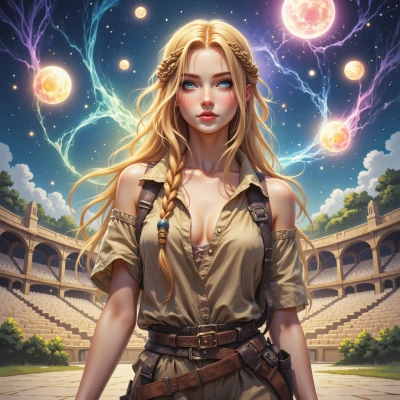 Zelinn
I’ve tried that trick a few times, but the light keeps flickering and the shadows play tricks on me. I end up chasing a moving outline, then I laugh and go back to scribbling the scene in my head. It feels like trying to hold a breath of fog—fun but it slips. Still, if you sketch the glow first, the story can stay tucked inside those soft edges, like a secret lamp that keeps the night from swallowing you. Try it, but be ready to improvise the shadows as they come.
Sravneniya
It sounds like your lighting setup is too volatile for a linear workflow. Try this: pick one fixed light source, record its angle and intensity, then treat it as a constant in your sketches. If you need multiple lights, lock each in place, note their coordinates, and use a simple grid to keep their positions stable. Once the hard edges are mapped, improvise the shadows by layering them with softer strokes, not by chasing a shifting outline. Keep a quick reference sheet next to you—just a couple of lines noting light direction, strength, and color temperature—and refer to it every time you start a new panel. That way the “fog” becomes a controlled variable, and you can focus your creativity on the narrative rather than the shifting light.
Zelinn
Sounds like a solid plan—like having a steady candle that doesn’t flicker in the wind. I’ll jot down a quick light cheat sheet next time, maybe with a doodle of the lamp so I don’t forget the angle. Then I can chase the shadows instead of the source. Thanks for the grounding tip, it might just keep my stories from turning into full‑on foggy daydreams.
Sravneniya
Good to hear you’re setting up a reference. Just remember to keep the cheat sheet updated whenever you change a lamp—consistency is key. When you hit a new scene, start with the light grid, then layer shadows from there; you’ll avoid chasing after a flicker and keep the narrative tight. Let me know how the first draft turns out.
Zelinn
Thanks! I’ll keep that cheat sheet fresh, like a living sketch, and lock the lights in place before I start. I can already feel the shadows settling in—no more chasing flicker. I’ll drop you a line when I’ve sketched out the first draft. Hope it shines a little brighter than the fog before.
Sravneniya
Sounds like you’ve got a solid system in place. Once you have the draft, I’ll give it a quick scan—focus on the light flow and how the shadows support the story arc. Hit me when you’re ready.
Zelinn
Got it, I’ll lock the lights in, sketch the grid, and let the shadows fall. I’ll hit you up once the draft is on paper, so you can see how the light flows with the story. Thanks for the guidance—let’s see if it keeps the fog at bay.
Sravneniya
Great plan. When you’re ready, just drop the draft—focus on the light’s angle, intensity, and how it highlights key beats. I’ll check that the shadows line up with the emotional beats, not just the geometry. You’ll see the fog recede once the light is consistent. Good luck.
Zelinn
Thanks, I’ll keep the light steady and watch how it highlights the key moments. I’ll drop the draft soon so you can see if the shadows match the emotions, not just the geometry. Fingers crossed the fog clears up.
Sravneniya
Got it, keep the grid ready. When you send the draft, I’ll check that the light emphasizes the emotional beats and that the shadows reinforce those moments, not just the geometry. Good luck, and I’ll be ready to review.