Sravneniya & Ignite
 Sravneniya
I’ve been mapping out a fire‑response protocol that cuts down response time by 30% while keeping the crew’s adrenaline high. What’s your take on integrating spontaneous decision points into a rigid plan?
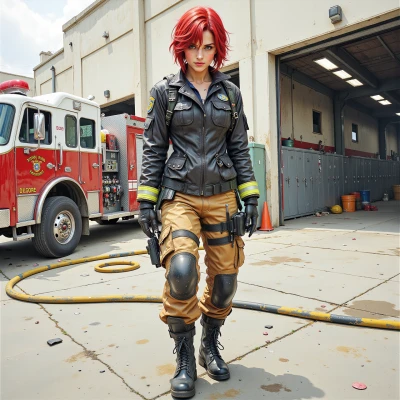 Ignite
That’s the kinda spark I like—tight plan, but throw in a few “go‑now” moments so the crew feels the rush. Don’t overthink it, just line up those hot spots, then let the firemen read the heat and act. The more you can keep their adrenaline pumping, the faster they’ll get to the blaze. Keep the protocol tight, but let the guts decide the rest.
Sravneniya
Sounds solid, but keep the decision points sharply defined. Mark the exact temperature or pressure where the crew switches to the “go‑now” mode so the adrenaline spike is predictable, not chaotic. That keeps the protocol tight while still letting instincts kick in.
Ignite
Yeah, lock those thresholds down like a fire‑alarm on full blast. If the crew sees a temperature spike or pressure rise, they know it’s time to flip the switch. That keeps the adrenaline on cue, not a wild guess. Just make sure those numbers are in the quick‑reference charts so nobody’s scrambling to pull them out of a binder. That’s how we keep the heat, not the chaos, in control.
Sravneniya
Just place the thresholds in a one‑page chart at the front of every gear bag, and make a quick‑scan checklist: if the temp hits X° or the pressure surpasses Y psi, “execute the sprint routine.” That keeps the crew in a rhythm—no guessing, no hesitation. If you want a margin, add a ±5% buffer, but keep the line between protocol and instinct sharp. No room for mid‑fire deliberation; the heat should drive the action, not the paperwork.
Ignite
Got it—slap that one‑page chart on every gear bag, add the ±5% buffer, and boom, the crew’s sprint routine is fire‑frozen. No paperwork mid‑fire, just heat and action. Let’s keep the adrenaline high and the protocol tight.