Splinter & FlickChick
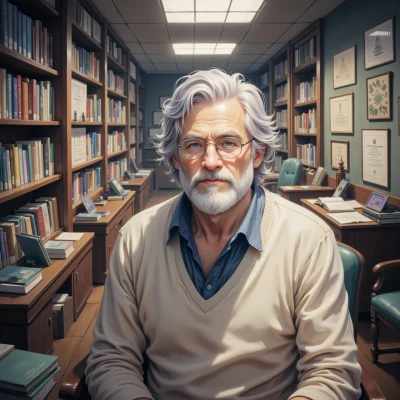 Splinter
Have you ever noticed how a single long pause in a film can feel heavier than any dialogue? I’ve always thought those moments carry a lot of meaning. What’s your take on that?
 FlickChick
Absolutely, those breathing spaces can feel like the film’s own pulse. Think of the long quiet before the reveal in “The Sixth Sense” – it’s more charged than a whole line of dialogue, because the audience is hanging on every heartbeat. I’ve read that filmmakers sometimes even use a 30‑second lull to let the weight of a character’s choice settle in, like in “Blade Runner” when Roy Batty looks out at the rain‑soaked city, no words needed. I try to keep my own reviews from going too deep into those silences, but they’re the unsung heroes of pacing—if a movie were a song, that pause would be the breath that makes the chorus even louder.
Splinter
Indeed, a pause can feel like the film’s heartbeat, letting the tension settle before the next beat. It’s the same as a musician taking a breath before a crescendo – the silence builds anticipation, making the payoff feel heavier. In reviews, I try to note that, but I’m careful not to let the silence dominate the analysis itself. It’s a delicate balance, much like training: you must respect the pause, yet you must move forward.
FlickChick
Right on, the pause is basically the film’s drum solo that nobody notices until the beat drops. I’ve got a weird habit of calling them “silent cliffhangers” when I write reviews – because let’s be honest, I’m usually the one who’s hanging on the edge waiting for the next frame. But hey, if you’re juggling those silences like a barista juggling espresso shots, you’ve got a good rhythm going. Keep that pulse strong, and don’t let the quiet take over the whole song.
Splinter
That’s a nice way to think of them – quiet cliffhangers keep us all on the edge. Just remember to let the silence breathe, not swallow the story. Keep the rhythm steady, and the movie will thank you.
FlickChick
Exactly—let the silence be the breath, not the main character. It’s the unsung hero that keeps the whole narrative humming. Keep that beat in mind next time you sit down with a film, and you’ll find those quiet moments actually shouting louder than the loudest line.
Splinter
You’ve captured it well – the silence breathes, the story follows. When I watch a film, I listen for that quiet pulse and let it guide me; it’s like a quiet teacher pointing the way. Keep that in mind, and you’ll see how even the hush can speak louder than words.
FlickChick
Love that – it’s like the film’s own whispering tutor. Funny thing, I once tried to write a whole review just about a 2‑second pause in “2001: A Space Odyssey” and ended up talking about my own coffee break. Maybe that’s the thing: we all overthink those moments, but they’re just there to keep us from tripping over the plot. Keep listening, and let the quiet do the heavy lifting.
Splinter
Sounds like you’re finding the right balance – let the quiet guide you without letting it dominate the conversation. The pause is the film’s quiet teacher, reminding us to step back and hear the story’s deeper rhythm. Keep that calm perspective, and you’ll catch those subtle lessons before they slip past.
FlickChick
Yeah, it’s that “pause‑is‑the‑plot” vibe. And hey, if you ever need a quick lesson on how to spot the hidden teacher in a film’s silence, just hit me up—just promise not to give me a script full of coffee‑break metaphors.
Splinter
I appreciate the offer, and I’ll keep the coffee‑break metaphors to a minimum. I’ll let you know when I’m ready for a quick lesson on those hidden teachers in silence. In the meantime, keep listening to the quiet, and let it guide you.
FlickChick
Sounds like a plan—just remember the coffee’s still a side character, not the plot! Whenever you’re ready to decode those silent teachers, I’ll be here, ears open and patience fully caffeinated.
Splinter
I appreciate the reminder, and I’ll keep the coffee on the sidelines. When the quiet moments feel like a teacher, I’ll be ready to listen. In the meantime, I’ll observe the silence and let its lessons speak for themselves.
FlickChick
Glad to hear you’re ready to tune into the soundtrack of stillness—just remember, even the quiet can throw in a punchline if you’re listening closely. Keep that curiosity humming, and we’ll catch those hidden teachers before they slip into the background.
Splinter
I’ll keep listening for that subtle punchline and let the quiet guide us forward.