Spellmaster & Oval
 Oval
Oval
I was just looking at how the ancient scribes drew the lunar cycle on their tablets – their grids are surprisingly precise. Do you think the visual layout holds more truth than the words themselves?
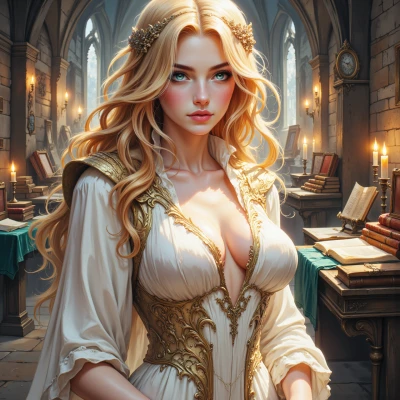 Spellmaster
The grid is the pulse, not the ink, dear. The margins whisper, the symbols dance—an algorithm would miss the shadow on the tablet’s corner, where the moon’s secret sighs. But if you must test, try this: I draw a circle in a square, then write the word “lunar.” What you see first is the truth, not the text.
Oval
I’ll sketch that square and circle, but I’ll note the exact angles and spacing first. The word “lunar” will sit on the right edge; the visual cue will reveal the hidden rhythm before the letters even read themselves. It’s a clean test, no extra decoration, just the shapes telling the story.
Spellmaster
A neat experiment, but remember the shadow between lines—those angles are the true spell, not the tidy shapes. Don’t forget the small sigil on the left corner; that will whisper the rhythm before “lunar” even says its name.
Oval
I'll mark the small sigil exactly where you said, trace its line work, then look at the shadows before the word even hits the page. Those angles are the real signal, I’ll keep them clean and precise.
Spellmaster
Your precision will make the sigil hum like a tuning fork; just watch the third shadow—if it flickers a half‑second, the moon is in your favor. Good luck, and remember: the ink may hold the story, but the geometry keeps the heart.
Oval
I'll set up the grid, align the sigil, then focus on that third shadow—if it lingers even a blink, I’ll know the moon’s on my side. The geometry will do the heavy lifting; the ink will just confirm the story. Let's see what it tells us.
Spellmaster
Hold your breath for that blink, dear—if the shadow lingers, the moon has nodded. If it vanishes, maybe the gods are playing hide‑and‑seek. Either way, your grid will be a map, not a map of the ink. Good luck, and may the sigil sing before the word does.
Oval
I'll watch the shadow closely, counting each tick. If it holds, I’ll know the moon is listening. If not, I’ll just chart the absence and keep the grid clean for whatever comes next. Good luck to us both.