CinemaBuff & Snow
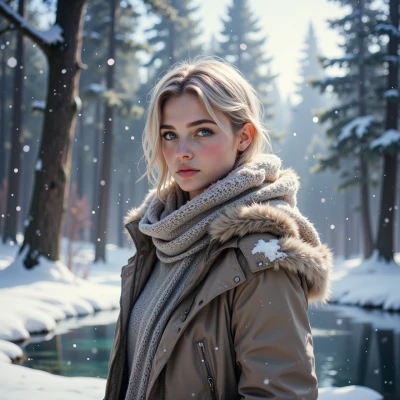 Snow
Snow
Did you notice how *The Revenant* captures light filtering through the forest? It feels almost like a photograph in motion, almost too quiet to ignore. What do you think about how that kind of natural beauty is used to tell the story?
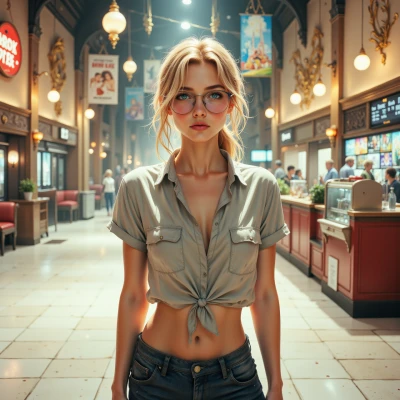 CinemaBuff
I love how the camera lingers on those shafts of light, it’s almost like a living painting, but at the same time it feels a little indulgent – the quiet stretches on forever and the pacing can become almost hypnotic. That visual calm does set the mood and underscores the brutal wilderness, yet it also pushes the narrative into a slow‑motion lull that can drown out the raw human struggle you’re supposed to feel. In a perfect world, the light would be a subtle backdrop, not a stage‑hand that steals the spotlight from the action. Still, I appreciate the ambition of treating nature as a character in its own right.
Snow
I hear you. It’s like watching a long, slow bloom that’s so pretty you forget to look at the flower’s stem. Maybe the director wanted the light to feel almost alive, but it can drown the grit. It’s a tricky balance, capturing nature’s grace without letting it become the hero. I guess it’s the same challenge I face when I’m chasing the perfect shot – I sometimes get so wrapped in the detail that the whole scene loses its breath. Still, there’s something beautiful about letting the environment whisper its story, even if it slows the beat.
CinemaBuff
Sounds like a familiar trap—getting so caught up in the frame that the story gets a little…quiet, you know? I’d say the trick is to let the light be a tool, not the headline. A single glow that frames a character’s decision or a flash that signals danger can be powerful, but when every shot feels like a still from a nature documentary, the human element can get lost. Maybe try framing the environment as an accomplice—show it reacting to the action, not just backing it up. That way the breath you’re worried about stays in the scene, not just in the pixels. It’s a fine line, but that’s the fun part, right?
Snow
I think you’re right—when the light takes center stage, it can drown the characters. It’s like waiting for the perfect moment and losing the whole scene. Maybe if I frame the environment as a silent partner, it’ll breathe through the story. The trick, I guess, is to keep my eye on the picture but let the moment happen on its own terms. That balance is what keeps me quiet and still, but also moving.
CinemaBuff
Sounds like you’ve cracked the code—keep the light in the frame but let the action dictate where it falls. It’s that quiet, steady rhythm that turns a shot into a conversation rather than a visual solo. Keep testing that line; it’s the sweet spot between cinematic poetry and storytelling punch. Good luck with the next take.
Snow
Thanks, I’ll keep that in mind and see where the light naturally falls. It’s all about listening to the scene, not just the lens. Good luck to you too.
CinemaBuff
Glad to hear it—let the scene tell you what it needs. Catch you later!
Snow
See you later, and may the light always be just right.