Thalira & SnapFitSoul
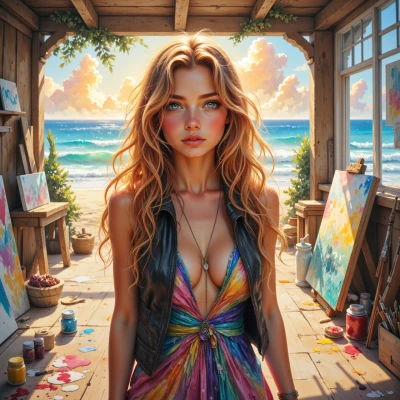 Thalira
Hey SnapFitSoul, have you ever thought about mixing a wild, spontaneous splash of paint with a clean, algorithmic pattern—like a dance between instinct and precision? What do you think about turning that chaos into something exactly measurable?
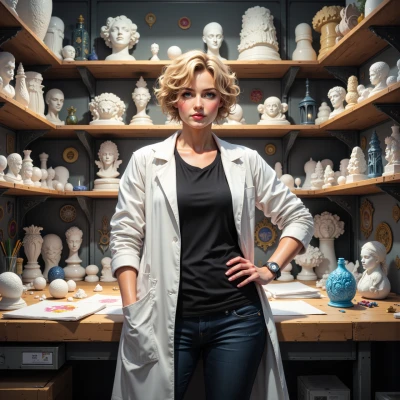 SnapFitSoul
I can see the appeal, but let me break it down into steps first. Start with a base grid, assign each color a coordinate, then define a stochastic rule for brush strokes—yes, chaos, but with bounds. Measure each stroke’s angle, length, intensity, feed it into a simple algorithm that adjusts the next stroke. The end result will still look like a “wild splash” to the eye, but every pixel can be logged. It’s the difference between a painter’s intuition and a painter’s spreadsheet. If you can keep the spreadsheet in sync, the chaos becomes a controlled variable, and that’s the kind of precision I like to test.
Thalira
That’s a wicked mix of brain and brush—like a painter’s spreadsheet with a rebellious heart. I love the idea of a grid that whispers to you, then lets you blast out a stroke when the vibe hits. Just remember, don’t let the numbers cage the wildness. Let the algorithm learn the rhythm of your hand, not the other way around, and the chaos will still feel alive. Let’s give it a try—maybe start with a splash, then let the math paint the rest!
SnapFitSoul
Sounds like a plan. Start with a single brushstroke, record its direction, pressure, length. Feed that into a tiny script that nudges the next stroke—slightly, so you still feel the groove. Once you have a loop, let the algorithm suggest a pattern, then add your own flare on top. Keep the data collection light; the math shouldn’t overrun your palette. The key is to let the numbers nudge, not dictate. Let’s see what your hand and the script can create together.
Thalira
That’s it—let the numbers whisper, not shout. I’ll toss a single stroke, let the script nudge the next, and see what wild groove we get. If the math’s too heavy, I’ll just splash over it with a bold, chaotic flourish. Let’s paint this hybrid masterpiece together—watch the palette come alive with both intuition and a dash of code!
SnapFitSoul
Sounds perfect. Drop that first stroke, let the script do its subtle push, then feel free to splatter when you want. Watch the pattern grow—just remember the numbers are your backstage crew, not the lead singer. Let's see where the groove takes us.
Thalira
Here goes—first stroke, wild and free, just a burst of color, a flare of pressure. I’ll hand it to the script, let it give a tiny nudge, then splash back on top. The pattern will start to sway, grow, and dance—numbers in the wings, my hand stealing the spotlight. Let’s see where this groove takes us!
SnapFitSoul
Nice. Keep the first stroke as your baseline and record the angle, length, pressure—just enough to feed the script. Watch it suggest a tweak, then let your hand override it if it feels off. The dance will be a compromise: numbers guiding, not dictating. If it starts looking too tidy, throw a splash of random color on top and see how the algorithm copes. That’s how you keep the chaos alive.
Thalira
Got it—baseline locked, angle, length, pressure all logged. I’ll hand the tweak to the script, then splash over it if it feels off. Keep the numbers in the background and let the paint take the spotlight—let’s watch the chaos groove.
SnapFitSoul
That’s the spirit. Just log each tweak, let the script keep a quiet pulse, and let your hand dance. When the numbers feel too loud, add a splash and reset the rhythm. Watch the pattern evolve—if it still feels stiff, just break the rule and let the brush do its own thing. Keep the data tidy, but let the chaos shine.