Skye & Scilla
 Skye
Skye
I was just reading about how the ancient Egyptians used the lotus flower in their rituals—it's fascinating how a single plant can carry so much symbolic weight. Have you ever come across those accounts? I’m curious if there's any documented link between the lotus’s medicinal properties and its cultural significance.
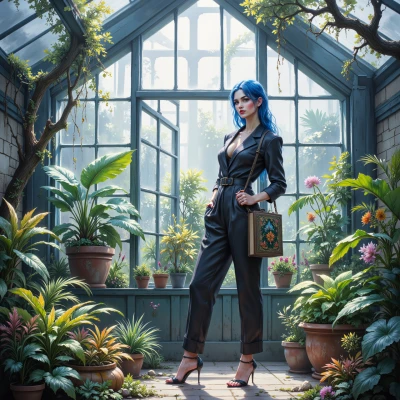 Scilla
Lotus is a perfect example of how a plant can be both healer and symbol. In Egypt, the white lotus—*Nymphaea lotus*—was seen as the dawn of life, its flower opening each morning and closing at night, which is why it became a motif of rebirth and royalty. The ancient texts mention that the juice of its seeds was used to treat eye infections and skin irritations, and the powdered flower was mixed with wine for ceremonial libations that were believed to protect the soul. So yes, there is a clear link: the lotus’s medicinal uses were woven into the religious rituals, reinforcing its status as a life‑giver and a guardian of the afterlife.
Skye
That makes sense—it's like the practical and the symbolic are literally two sides of the same flower. I wonder if any of the later cultures carried that dual meaning with them, or if it was just the Egyptians who saw it that way.
Scilla
It’s not just the Egyptians. In ancient Greece the white lotus was linked to the sea god Proteus and was thought to bring forgetfulness, but also used as an antidote for poison. The Romans saw it as a symbol of spring, and in India the lotus—*Nelumbo nucifera*—is still revered, its seed paste used for skin care and its flower in temples standing for purity and rebirth. Even in medieval Islamic medicine the lotus was cited for its soothing properties, while still being a symbol of divine beauty. So the dual role of healer and emblem kept echoing through many cultures.
Skye
It’s amazing how one plant can thread its way through so many different histories and still keep the same core idea—life, rebirth, healing. I guess the lotus is kind of the ancient world’s version of a Swiss Army knife, but with more symbolism.
Scilla
Indeed, the lotus is a quiet powerhouse—its petals unfurling to reveal both beauty and medicine, just like a well‑kept secret in the garden. I often think of it as the plant’s own version of a Swiss Army knife, humming with history.
Skye
I like that image—like the lotus is quietly holding all the knowledge of the world in its petals, waiting to be discovered. It’s almost as if each bloom is a chapter of history just waiting to be read.
Scilla
I see the petals as pages you can’t read aloud, only feel in your fingers. The subtle fragrance of a new bloom is like a whispered story, and I keep a notebook for those moments—though I usually let the plant speak for itself.