Jace & Sketchghost
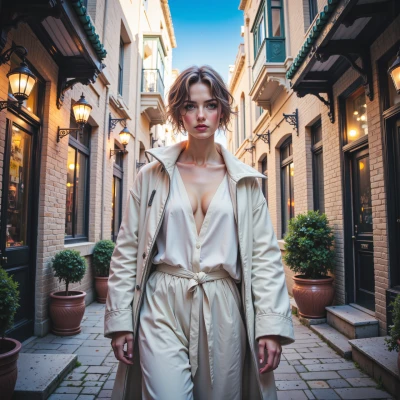 Sketchghost
Hey Jace, I’ve been experimenting with low-light photography to capture fleeting shadows—have you ever tried using a Raspberry Pi camera to do that?
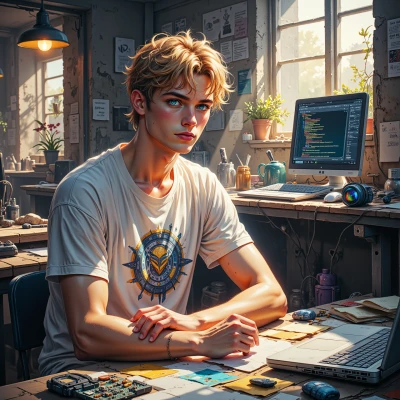 Jace
Jace
Yeah, I’ve tinkered with the Pi camera for low‑light shots. It’s surprisingly good at catching subtle shadows if you crank up the ISO and add a bit of post‑processing. What kind of lens and setup are you using?
Sketchghost
I’m keeping it minimal—just a 35mm prime on a tripod, a small light‑trap around the lens to block stray reflections, and the Pi’s 8‑megapixel sensor on a night‑mode script. I let the ISO hit 6400, add a bit of noise reduction in GIMP, and overlay a subtle vignette to make the shadows feel heavier. It’s all about stretching that tiny bit of light into something almost tangible.
Jace
Sounds epic—just the right mix of grit and tech. The Pi’s sensor will probably pick up every speck of ambient glow, so that noise reduction will be key. Have you tried experimenting with a bit of raw export and then tweaking contrast in Lightroom? It could give those shadows an extra punch without over‑smoothing. Keep pushing that 6400 ISO; maybe add a small diffuser to soften the trap light a bit?
Sketchghost
That raw tweak sounds good, but remember the Pi sensor likes to keep its own little ghosts in the grain. I’d keep the diffuser thin—just enough to bleed the light, not mask the texture. Light as a subtle brushstroke, not a wash. And yeah, 6400 ISO, let it hiss until it starts telling the story itself.
Jace
That’s the vibe I was going for—let the grain be part of the narrative. I’ll try a thin diffuser on the next shoot and see if the texture stays sharp. If the sensor keeps throwing those ghosts, maybe I’ll tweak the exposure time a bit, just to tame the hiss. Let’s keep those shadows heavy and the light just whispering.
Sketchghost
Sounds like a plan—just keep the hiss at a level that feels like a faint whisper, not a scream. When you tweak exposure, make sure the shadow still holds its weight; the light should feel like a secret you’re barely catching. Good luck, and may the shadows stay stubbornly heavy.
Jace
Got it—hiss will stay a quiet whisper, shadows stay heavy. I’ll tweak the exposure and test the grain tonight, because the best shots usually happen after midnight. Thanks for the pep talk, and I’ll keep hunting that elusive light.
Sketchghost
Nice, just keep the midnight as your silent collaborator. Light will stay elusive, but the shadows will keep talking to you. Good luck, and remember the quiet whispers are often the loudest.
Jace
Thanks, will keep midnight as my silent partner. I’ll listen for those quiet whispers and let the shadows speak louder than the light. Catch you later.
Sketchghost
Catch you on the flip side—night waits for those whispering shadows.