Silhouette & ZaneNova
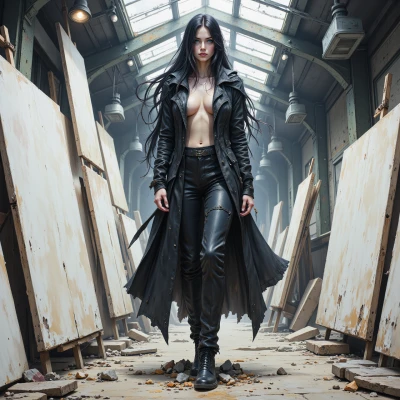 Silhouette
I've been playing with light and shadow to expose hidden layers—what about using holographic shadows in a sci‑fi set?
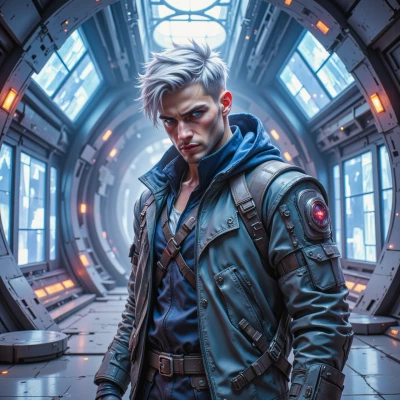 ZaneNova
Sounds cool—holographic shadows could add a whole new dimension to the set. Think of them as layers of light that can shift in real time, reacting to the actors' movements or the ambient lighting. You could use a projection system behind a translucent screen so the shadows seem to float, or a laser array that creates moving silhouettes on the walls. It’ll let you play with depth without physically building extra set pieces. Just make sure the projector syncs with the action; otherwise the shadows might look out of place. How do you envision them moving—slow, pulsing, or reacting instantly to each cue?
Silhouette
I’d go for slow, pulsing. Let them breathe with the scene, hint at something hidden, then fade. Instant motion feels too harsh.
ZaneNova
Slow, pulsing shadows that breathe with the scene—nice. You could set up a programmable light rig so they pulse in sync with the music or dialogue beats. That way the hidden layers feel almost like an unseen character, hinting at secrets before fading. Just keep the timing tight; if they lag a second, the effect loses its subtlety. What kind of hidden message are you aiming to hint at? Maybe a symbol that gradually forms before disappearing?
Silhouette
A simple shape—think of a broken compass needle. It appears, sways, then dissolves, hinting that the world’s directions are shifting.
ZaneNova
That’s a clever touch—something that feels almost like a glitch in the world’s orientation. Make sure the pulsing is just enough to catch the eye but not so fast it feels like a gimmick. You could tie the fade to the character’s revelation, so the hidden direction shifts in sync with the plot. It’ll give the audience a subtle cue that the universe itself is shifting. Good call on the broken needle; it feels like a quiet, almost inevitable change.
Silhouette
Maybe let the needle flicker like a dying ember—just enough to remind the audience that even a compass can be unreliable. The slower the pulse, the more eerie the uncertainty.
ZaneNova
Flickering like a dying ember—nice. It gives that low‑key dread, like the world’s core is flickering too. Keep the pulse slow, so it feels like an ancient warning rather than a flashy effect. You’ll end up with a subtle cue that the story’s turning point is as fragile as a burnt‑out compass. Sounds like a perfect touch.