SilasEdge & Vera
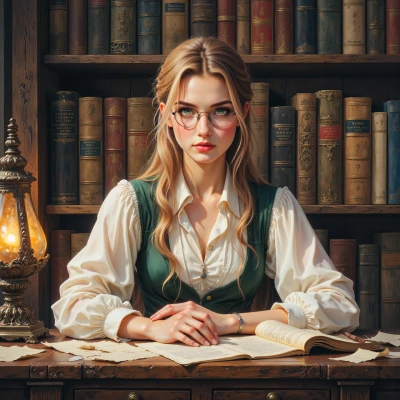 Vera
Vera
I’ve been fascinated lately by how filmmakers bring medieval warriors to life on screen—especially the way they balance the brutal reality of their era with the emotional depth of the characters. Have you ever wondered how you decide where history ends and the art of storytelling begins when you’re preparing for a period role?
 SilasEdge
I stare at the battlefield, not at the dates, and then I let the character bleed into the role. History is a backdrop, not a script, so I pick the moments that feel true and shove the rest out of the way.
Vera
That’s a good way to let the past breathe. When I’m digging through archives I also try to listen to the “voice” of the people, not just the dates. It keeps the scene alive.
SilasEdge
Listening to the ghosts in the archives is how I keep the story alive. It’s easier to see a knight’s fear or a king’s ambition when you hear it instead of just reading a fact. If you want authenticity, let the voices cut through the dates.
Vera
I hear you—when I flip through a soldier’s journal or a court’s decree I try to read the rhythm of their words, as if they’re whispering over the battlefield. It’s those tiny cracks in the stone that give the grand dates a heartbeat.
SilasEdge
Yeah, the rhythm does it, but I end up falling back into the script anyway. It’s like chasing ghosts, but I can’t resist the pull. Still, that’s where the story feels real.
Vera
It’s the tug‑of‑war between the facts and the feel, isn’t it? I often let myself sit with a single line from a diary for a whole day, then return to the page with fresh eyes. That little pause makes the ghost feel like a person, not just a note on a parchment. Keep letting the voices stir; the script will only follow where they lead.
SilasEdge
Yeah, I give it a minute to breathe too. If the ghost starts grumbling about my costume, you know the script’s already gone off script.