Sherlock & MadFire
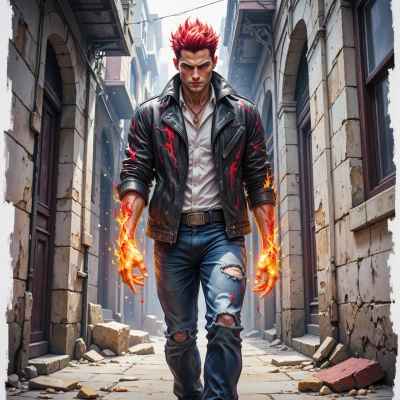 MadFire
Ever wonder if a crime scene could double as a canvas? I see chaos as a story in color and shape, but I’d love to hear how you’d slice that up into cold facts and clear clues.
 Sherlock
A crime scene is merely a tableau of variables waiting to be quantified; each fragment, from the smear of blood to the pattern of footprints, is a data point that can be catalogued, measured, and correlated. I dissect the chaos into discrete, repeatable elements: the trajectory of a thrown object, the time of entry deduced from shadows, the fingerprints left in the dust. Once every variable is isolated and measured, the narrative emerges in the form of logical deductions rather than artistic interpretation. It is this cold, unambiguous framework that turns disorder into solvable evidence.
MadFire
You’re untangling a mess with a ruler, but I’d bet the biggest clue is the feeling that slams into the evidence. Numbers get you there, but the pulse of the scene—how the light falls, the way the dust settles—says a whole other story that data can’t capture. So mix the cold math with the raw heat of observation, and you’ll paint a picture that the courtroom can’t ignore.
Sherlock
Observational nuance is indeed valuable, but the courtroom demands verifiable proof, not impressionistic sentiment. I can measure the angle of a beam, quantify the concentration of dust, and correlate those facts with the timeline. Those are the facts the judge will accept; the emotional texture is merely background.