Shooter & Shelest
 Shooter
Got a minute? I was just mapping out the choke points on that new map and thought—maybe we should treat it like a chess board in a forest. How do you slice that puzzle?
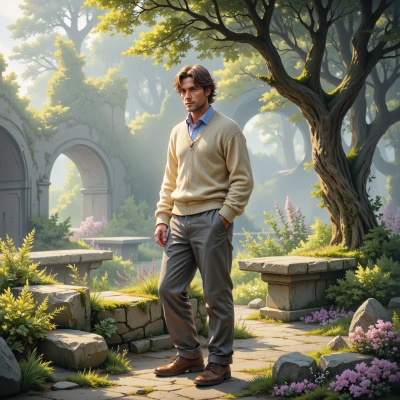 Shelest
You’re asking for a map that plays with gravity and time. Picture a chessboard where every square is a tree, every piece a clearing, and the whole board is a forest that shifts with the wind. Instead of cutting the map into rigid sections, let the choke points bleed into each other—so players have to decide whether to step into the light or linger in shadow. Keep the board open; that’s when the strategy is really a conversation between the player and the forest.
Shooter
Sounds wild. If the choke points bleed into each other, the map will feel alive instead of static. Players will have to constantly re‑evaluate which line of sight to hold and when to drop into the shadows. Keep the core routes open, but let the forest shift so nobody can just stick to a single playstyle. That's the kind of depth that keeps the game from feeling like a set‑up drill.
Shelest
That’s the kind of subtle chaos that makes a map feel like a living poem. Let the paths twist like a vine, so the players keep guessing which branch to climb or which root to hide behind. A map that rewrites itself in the quiet moments will keep them asking, “What is the right line of sight now?” and the answer will change with the wind. It’s not about forcing a playstyle, it’s about giving them a forest that asks the same question they do.
Shooter
Nice vibe, I can see the flow now. Just make sure the wind changes are subtle—too loud and you’ll lose the strategic feel, too quiet and players might not notice anything shifting. Maybe add a few static landmarks as reference points so they can still gauge the layout, even when the forest moves. That way the map stays challenging but not confusing. Good call on keeping the playstyle optional, not forced. It’ll let teams adapt and keep the tension high.