Sharlay & Krythos
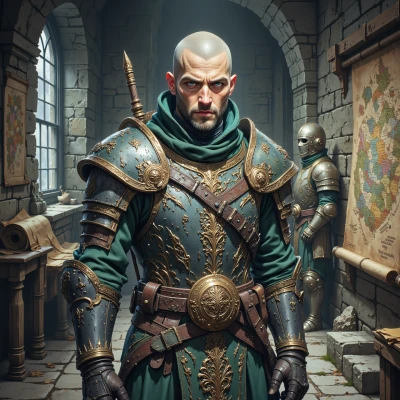 Krythos
Let’s dissect the Trojan Horse as if we were commanders: how the Greeks set up the trap, the lines of defense they expected to break, and how the story stacks up against real siege tactics. What do you think?
 Sharlay
You want a war‑zone briefing, so let’s cut the fluff. The Greeks, tired of a stalemate, decided to trick the Trojans into believing the war was over. They built a massive wooden structure, the “horse,” and filled it with a handful of their best, most disciplined soldiers. The rest of the fleet sailed away, leaving the horse as a false offering. When the Trojans, confident of victory, hauled the horse into the city walls, the Greeks inside opened the gates, and the city fell.
The lines of defense they expected to break were both psychological and physical. Trojans had a massive, well‑fenced citadel; the Greeks relied on the human tendency to believe a gift is a sign of peace. The “trap” exploited the Trojans’ overconfidence and the fact that the city’s walls could only be breached if the defenders opened them.
Comparing this to real siege tactics, it’s a brilliant use of deception but lacks the hard‑handed tactics of a real sally or battering ram. Modern military historians note that the Greeks essentially created a “mobile bunker” that circumvented the walls entirely, a tactic not uncommon in ancient warfare but more often executed with more plausible ruses. So, as commanders, we’d applaud the strategic audacity, but we’d also flag the risks of relying on a single point of failure. The story is a lesson: clever plans can triumph, but they also rely on the enemy’s hubris.
Krythos
Nice breakdown. The real win is that the Greeks turned a static defense into a dynamic threat; still, a single breach can turn a triumph into disaster if the Trojans had had even a single night sentry awake. That’s the price of audacity.
Sharlay
Exactly, they turned a wall into a door in a way that would make any modern strategist shake a head. One rogue sentry, one misplaced torch, and the whole city’s fate could have flipped. Audacity is a double‑edged sword, and the Greeks had the whole world’s back in that single, stubborn gamble.
Krythos
A single sentry is all that’s needed to undo a brilliant ruse. That’s why we never let a plan rest on one point of failure. The Greeks had courage, but they also had to gamble that no lone night‑watch would notice a torch. In the end, audacity pays only if the enemy’s hubris lines up with yours.
Sharlay
True, if that lone sentry had lit a torch, the Greek gambit would’ve collapsed. The lesson is simple: no plan should hinge on a single, fragile point. The Greeks made it work because the Trojans chose to trust a wooden gift over a city’s perimeter.
Krythos
I’d agree. A single weak link can undo a masterpiece. The Greeks didn’t build a fortress, they built a psychological trap, and that’s the kind of gamble you only take when the odds look in your favor. In war, you either accept that risk or you keep your plans in the open and let the enemy play in the light.
Sharlay
Exactly, a psychological trap is a double‑edged sword. The Greeks got lucky because the Trojans were willing to trust a wooden gift, but if the odds had flipped the other way the whole strategy would have collapsed. War isn’t about playing it safe; it’s about choosing the right gamble and making sure you’re not the only point of failure.
Krythos
True enough, the best plans are like a well‑shaped sword—cutting in one place, but if the edge fails, the whole blade breaks. We build in back‑up routes, watch every flank. In the end, it’s not about luck, it’s about the weight of a decision. And if the Greeks had had a second hidden strike, the outcome would still have been the same—just with less chance of a tragic misstep.