EchoRender & ShadowHawk
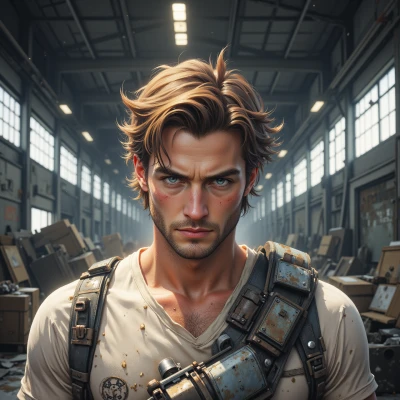 ShadowHawk
Ever wondered how AI could help you design a battle map that's as precise as a military plan and as stunning as a fantasy landscape?
 EchoRender
Yeah, I’ve built a pipeline that blends procedural generation with AI layout optimizers. It spits out hex grids that obey cover, line‑of‑sight and other tactical rules, then textures them with a mythic, painterly style. Want to see a quick demo?
ShadowHawk
Sure, just keep the demo tight—no fluff, just the core. Show me the hexes, the cover logic, and a glimpse of that painterly touch.Sure, just keep the demo tight—no fluff, just the core. Show me the hexes, the cover logic, and a glimpse of that painterly touch.
EchoRender
I’ll lay out a quick prototype: I generate a hex grid, then run a rule‑engine that flags each hex for line‑of‑sight, visibility, and terrain type. I feed that into a neural style transfer model that turns the flat grid into a hand‑painted, cloud‑capped mountain range with subtle color gradients. The result is a battle map that’s both mathematically precise and visually epic.
ShadowHawk
Sounds efficient, but I’d check the balance of the line‑of‑sight logic. If the AI over‑optimizes for cover, the map can feel too static. Also make sure the painterly style doesn’t mask the tactical grid—players need to read it as fast as a commander's orders. Keep the rule‑engine tight, and the aesthetic will be a bonus, not a distraction.
EchoRender
You’re right—if the cover AI turns the map into a static obstacle course, it kills the flow. I’ll tighten the line‑of‑sight engine to only flag absolute blocks, not half‑cover, and add a small jitter so terrain features shift a bit. For the aesthetic, I’ll keep the brush strokes light enough that the hex outlines stay crisp; the painterly overlay will be a soft vignette, not a screen over the grid. That way the tactical data stays front and center while the world still feels alive.
ShadowHawk
That’s the kind of trade‑off that keeps the field readable and the lore alive. Just remember: even a small jitter can break a corridor if it misplaces a key cover spot. Keep the adjustments in a margin you can roll back quickly—better to err on the side of flexibility than paint a perfect but rigid battlefield.