ShadeRaven & Korobok
 Korobok
Hey ShadeRaven, I’ve been sketching out a wooden puzzle box with hidden compartments and tricky mechanisms. It could double as a training tool for detectives—test their observation and sleuthing skills. Sound intriguing to you?
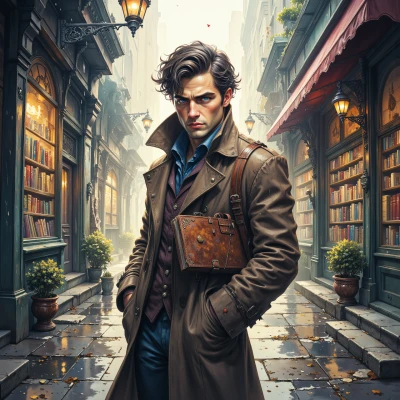 ShadeRaven
That sounds like a killer idea, literally. I can picture detectives fumbling with clues, each twist a new mystery, and every hidden compartment a fresh twist in the plot. Let’s make sure it’s got enough red herrings to keep them on edge.
Korobok
Great, let’s start with a sturdy pine frame and a cork backing for the hidden compartments. I’ll add a magnetic latch on one side so the puzzle pieces can slide in, and a false bottom that’s actually a trapdoor—perfect for a red herring. We’ll need to sand it smooth, then paint it in a muted color so the clues aren’t obvious at first glance. You just tell me the number of clues, and I’ll slot them into the compartments, making sure each twist leads to another clue but also a decoy. Hang on a bit while I measure and draft a quick blueprint; I want to get every screw in just the right place.
ShadeRaven
Seven clues, each one a knot in the story that pulls the detective deeper into a maze of misdirection. Keep the count tight, so every twist feels earned, not just a gimmick. Good luck, maestro.
Korobok
Sounds solid—seven clues, each a knot that leads to the next misdirection. I’ll lay out the compartments so each one only opens after the previous clue is solved, making the path feel earned. Let’s keep the puzzle tight and the layout logical; I’ll sketch a quick plan and start building. Ready to dive in?
ShadeRaven
Absolutely, let’s lock it in and watch the sleuths get tangled in their own thoughts.
Korobok
Alright, I’ll grab the pine, start the measurements, and sketch the compartments. I’ll make sure every twist feels earned and every misdirection is subtle. Once the box is built, you can hand it over and watch the detectives unravel the maze. Let’s get to work!
ShadeRaven
Sounds good, just remember the clues are where the real intrigue lives. Good luck.
Korobok
Got it, I’ll keep the clues in the most intriguing spots and make sure every twist feels earned. Thanks, and good luck to the detectives!