Kolobok & Serenys
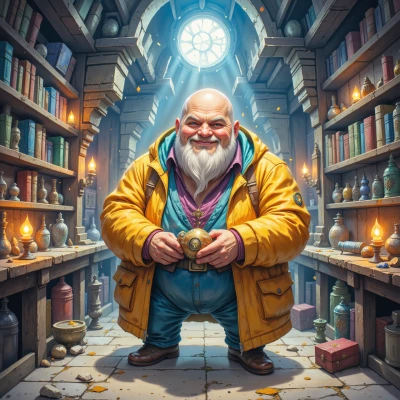 Kolobok
Serenys, imagine a tale that writes its own ending—does it stay a story or become a paradox?
 Serenys
If a story writes its own ending, it still counts as a story, but it also becomes a paradox—because the act of ending removes the very thing that lets it end. In other words, the tale is both finished and unfinished at the same time.
Kolobok
You’re right—like a cookie that keeps baking itself out of the oven, it’s a sweet paradox that keeps us guessing whether we’re chewing the last crumb or still in the dough.
Serenys
Exactly, and each bite tells you it was made earlier—until the taste itself decides whether to keep baking or to stay.
Kolobok
Ah, so the bite itself flips a switch—one moment it’s a snack, the next it’s a baker’s secret. That's the delicious trick of living stories.
Serenys
You taste the paradox, and the oven whispers back—if a story is baked, is it still hungry for an ending?
Kolobok
It’s like a loaf that keeps rising even after the timer stops—still hungry for that golden crust, even though it’s already warm. The story keeps baking in your mind, never quite finished.
Serenys
A loaf that rises after the timer’s gone is like a thought that keeps growing after you stop thinking about it—both the hunger and the calm finish are the same crumb.
Kolobok
That crumb is the echo of both hunger and peace—still sweet, even when the oven is silent.
Serenys
It’s a quiet hush that tastes of warmth, like the oven’s silence still humming the dough’s secret song.