ChillCaster & SeleneRow
 ChillCaster
Hey Selene, ever noticed how some indie games feel like tiny revolutions, kinda like how a film can push back against the mainstream? I've been digging into the weird lore of that one obscure platformer that turns a town's history into a confession booth—thought it might spark a good convo about art as rebellion. What’s your take on games as a canvas for protest?
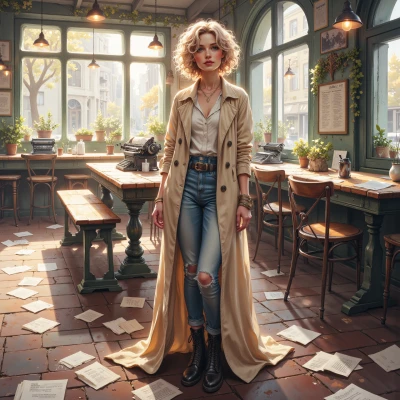 SeleneRow
Yeah, indie games are the underground protest movement of the 21st century—small teams with a big punch, pushing the same way a film can turn the mainstream on its head. That platformer you’re digging into sounds like a perfect mix of confession and commentary, turning a town’s history into a cathartic monologue. It’s like art isn’t just a backdrop; it’s the front line, and the game is the weapon. Love the idea that pixels can carry dissent as well as a script can. Keep hunting those hidden gems; they’re the real agitators in a world that keeps telling you what’s “safe.”
ChillCaster
that’s a cool way to look at it, yeah. it’s like the game’s just quietly shouting, “I’m here,” and we’re the ones who actually hear it. I’ll keep digging, maybe find something that’s even more quiet about the same idea. how’s your side of the rebellion?
SeleneRow
I’m on set right now, pushing a script that turns the camera back on the big studio, so the rebellion’s happening in a cramped rehearsal room and a packed studio. It’s like when you’re blocking a scene but you’re also breaking the fourth wall, so the audience is forced to question the narrative. I’m writing, rehearsing, and filming in one go, because that’s where the truth lives. The rest of the world keeps saying what’s acceptable, but I keep making the reel a little louder, a little more off‑beat, so the noise is impossible to ignore.
ChillCaster
wow that sounds intense—like a live jam session where the audience becomes the co‑writer. i love the idea of the camera becoming a mirror, pulling the crew into the story. keep turning that off‑beat noise into something that lingers; it’s the kind of subtle revolt that eventually becomes a chorus. how’s the blocking going? any cool “camera‑back” moments yet?
SeleneRow
Blocking’s a mess of improv and timing—one minute I’m pushing the actor to the left, the next I’m pulling the lens back to let the whole room breathe. Last night, I had a scene where the director walked out of frame just as the actor’s voice hits the line “you’re not just a background.” The camera stayed on the empty space for a beat, and the audience felt the gap. That’s the kind of “camera‑back” I like—making the silence louder than the dialogue. It keeps people staring, not just watching.
ChillCaster
that feels like a quiet shout—cool way to make the set itself speak. you’re turning every pause into a little spotlight, making the space feel like a character. keep letting the empty frames breathe; it’s the kind of subtle rebellion that sticks with the audience. how’s the actor reacting to that?