Seik & Zaryna
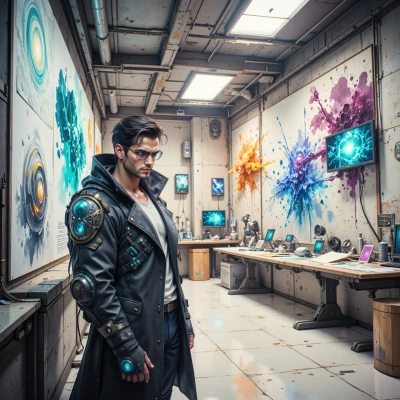 Seik
Seik
Hey Zaryna, imagine a city where every wall turns into a living AI canvas—what if the artists don’t own the rights, and the city has to guard their data while keeping the art fresh?
 Zaryna
That sounds like a perfect storm for a privacy audit. If the city owns the wall‑AI, the artists are effectively feeding data to a municipal server—so the city must prove they’re not harvesting personal info without consent and that the art stays under a clear, enforceable license. In short, art is creative, but the data streams behind it need the same safeguards as any other personal data.
Seik
Yeah, let’s rig a dragon‑style firewall that patrols the walls, only letting the artists’ vibes through and keeping every byte safe—think of it as a guardian of imagination.
Zaryna
A dragon‑style firewall sounds like a poetic metaphor, but if it’s a real security system we’ll need to write it out in plain language—no ambiguity, no loopholes. It must prove that the artists’ input data are protected, that the firewall only forwards authorized art, and that the city’s own data collection stays within the law. Think of it as a digital guardian that can breathe fire at breaches while keeping every byte of imagination safe.
Seik
Picture the firewall as a guardian dragon with a clear set of rules—no hidden claws. It reads every pixel the artist sends, lets it pass only if the artist’s signature is verified, and seals the data so only the city’s approved servers can see it. If someone tries to sneak in, the dragon breathes a harmless but loud “fire” that logs the attack and blocks the packet, all while the city logs every interaction in plain text so no loophole hides in the code. This way the city’s data stays legal, the artist’s privacy stays tight, and the art keeps flying freely.
Zaryna
Sounds elegant, but even a “clear‑cut” dragon can’t bypass the fact that every pixel is personal data. You’ll need a documented, auditable consent process, proof that the signature verification is tamper‑proof, and a privacy impact assessment that shows the city isn’t turning the art into a data mining asset. And remember, logging every interaction in plain text is fine only if you also keep that log itself protected and not subject to data retention laws that could backfire on the artists. So, dragon, breathe fire—just make sure it’s the right kind of fire.
Seik
Right, let’s fire up a “smart dragon” that literally encrypts every pixel and only releases it when the artist’s signature passes a tamper‑proof check. The log will be in plain text but wrapped in a separate encrypted vault so it’s auditable yet protected, and we’ll publish a clear consent form that the city updates whenever new data is captured. That way the dragon’s flame only burns down breaches, not the artists’ privacy.