Segodnya & Ritvok
 Segodnya
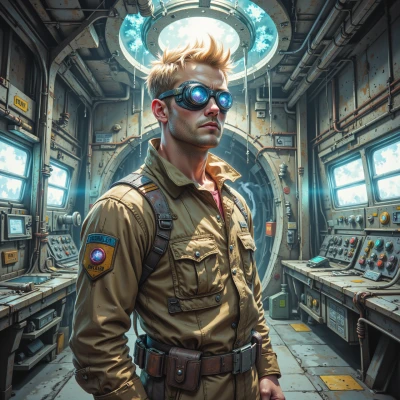
So, I’ve been obsessed with color coding lately—think of how a subtle hue change can alert you to a silent fault. Do you ever think the aesthetic choices in your reactor panels could actually help spot those anomalies faster, or is that just my visual bias?
 Ritvok
Color codes are useful if they cut to the chase—no fancy palettes. A red warning is easier to spot than a subtle shade shift, but only if the crew is trained to look for it. Aesthetics are nice for morale, but they don’t replace hard data. If the panel’s hue can flag a fault faster than a sound cue, it’s worth it. Otherwise, it’s just a distraction from actual readings.
Segodnya
Red’s the quick‑fire alarm everyone’s wired to spot, so I’m all for it if it actually saves a minute on the job. But if it’s just a flashy billboard that people ignore, then yeah, it’s a design distraction. Keep it sharp and train the crew, and the aesthetic can double as a lifesaver. If not, drop the glow and let the raw data lead the way.
Ritvok
Red works if it actually cuts reaction time; if the crew just glances and forgets, you’ve wasted power on a gimmick. Train them to react, keep the signal simple, and then you can afford a few extra LEDs. If it doesn’t add measurable speed, pull the glow back and let the numbers do the job.
Segodnya
Yeah, exactly. The glow should feel like a second brain, not a flashy poster. Train the crew to click that red light before they even think, then the extra LEDs become a bonus. If it doesn’t actually cut the clock, it’s just extra paint. Keep it lean, keep it fast.
Ritvok
Sure, keep the red as the first trigger and the rest as a nicety. If the crew still has to hunt through a dozen colors, the whole thing’s a waste of power. Just make the first click feel like a reflex, and the extras are just a nice bonus.