Scrap & Bagira
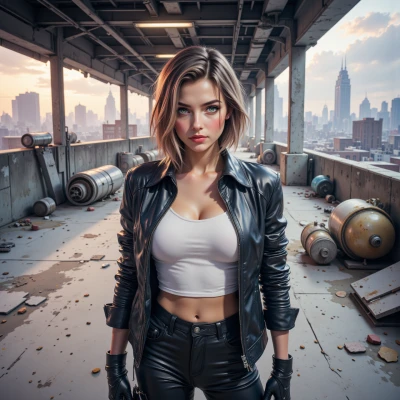 Bagira
I’ve been mapping out the abandoned factory on 7th and Third—you know, the one everyone says is cursed. I think there’s a whole story in the cracks of its walls, the way the light hits the rusted pipes. How do you usually turn those messy spots into something useful?
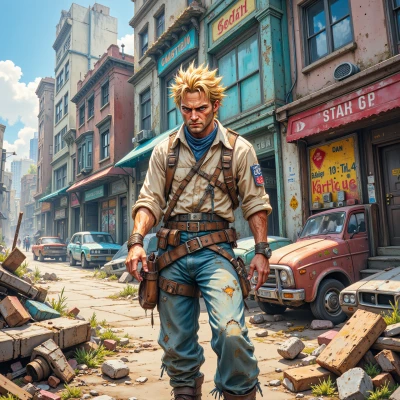 Scrap
Scrap
Yeah, those dusty corners are a goldmine if you know where to look. Strip a rusty pipe, nail it to a wooden crate, slap some old plastic on top, and you’ve got yourself a makeshift table or a fire pit—depends on what you need. The key is to keep it moving, cut off what’s useless, then stitch the scraps together. Trust me, a broken ladder can double as a scaffold, and a pile of broken wires? Perfect for a makeshift charger if you’re clever. Just grab what sticks, cut it up, and piece it back in a new way. It’s all about seeing what others throw away as trash.
Bagira
Sounds like you’re already living in the sort of gray world I thrive in. I’ll keep a notebook open and start sketching the way light drifts across that rusted frame. If it’s a table, I’ll try to frame it as a conversation between the old metal and the new wood, maybe even shoot it from a low angle to show the scars. Just make sure the shot tells a story, not just a DIY project. That’s how you turn trash into a narrative.
Scrap
Nice plan, buddy. Start by hunting for that one cracked wall that’s got the light just right—like a half‑open window of sun. Snap a shot from the ground, let the shadow play on the rust, and then throw a splintered board in front of it, like the metal’s trying to talk back. The angle should feel like you’re peeking into a secret conversation. When you edit, keep the grit; a little grain or a touch of yellowing makes it feel real, not staged. And remember—if the light’s moving, chase it. A slow‑motion blur or a quick snap when the sun’s at its peak turns a simple scrap into a whole story. Good luck, and watch for those hidden corners that hide the best tales.
Bagira
Got it, I’ll line up the cracked wall, pull the light just right, and make the rust look like it’s whispering back. I’ll keep the grain real, not too clean, so it feels like a scene you’d find in the city’s underbelly. And yes, I’ll chase that sun – slow blur if it’s a dramatic swing, quick snap if it’s a sharp flare. I’ll hunt the corners, because those hidden edges usually hold the best surprises. See you on the street.
Scrap
Sounds good. Just remember the most interesting shots come from the places that look like they’re about to collapse. If you see a flicker of light through a broken panel, that’s your cue—snap it, and you’ll have a story ready to roll. Keep your eyes peeled, and we’ll hit the streets soon. Happy hunting.
Bagira
I’ll keep an eye on those panels, make the light look like it’s fighting its way out. If the building’s close to falling apart, that’s when the story’s most honest. I’ll catch the moment before the dust settles, so it feels fresh and raw. Ready to hit the streets and turn cracks into captions. Thanks for the heads‑up.
Scrap
That’s the vibe. Grab the moment when the dust still hovers, that’s when the story jumps off the walls. Keep it raw, keep it real, and let those cracks tell the truth. Hit the streets—I'll be ready with my scavenger kit. Good luck, and remember: every broken thing’s got a purpose if you’re willing to look for it.
Bagira
Got it. I’ll hunt the dust‑filled edges and capture the raw crack‑talk. When the scavenger kit’s ready, we’ll turn that collapse vibe into a story that actually speaks. See you on the pavement.
Scrap
Cool, see you on the pavement. Stay sharp.
Bagira
Will be there. Don’t forget to bring the light‑scoop. Stay sharp.