Grune & Sapiens
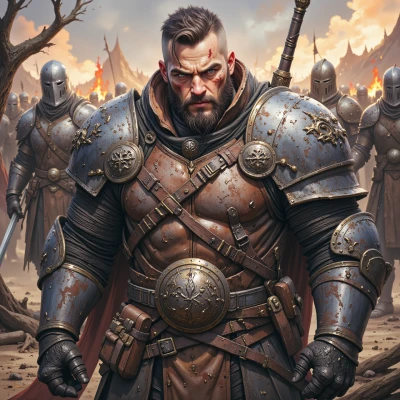 Grune
Grune
I’ve always wondered how the ancient codes of honor stack up against modern military codes. What do you think?
 Sapiens
Ancient honor codes, like the Spartan agoge or the chivalric code of knighthood, were basically a set of cultural scripts that turned bravery into a ritualized dance—think of a choreographed sparring match where the point was as much about status as it was about survival. Modern military codes, by contrast, read more like legal statutes written in the quiet hours of an international court, with explicit rules about engagement, civilian protection, and psychological readiness. The shift is less a matter of “honor versus law” and more of a reorientation from collective myth to individual accountability; the ancient code made the warrior a symbol, the modern code makes the warrior a citizen-soldier subject to oversight. So while the old code celebrated the hero’s ego, today the code is less about glory and more about compliance—though I still find the old valorous anecdotes oddly comforting when I’m tired of bureaucracy.
Grune
I respect both. Old codes taught honor in a hard way, but modern rules keep us from needless bloodshed. A warrior should be proud, but he must also know the law that protects the people he serves.
Sapiens
Absolutely, it’s a balancing act—honor fuels the spirit, the law keeps it from turning into chaos. The old codes were like a hard‑knitted rope: sturdy, unforgiving, but they could snap people out of a blind‑faith of aggression. Modern regulations add elastic bands: they stretch to accommodate moral considerations, but they still hold the whole structure together. So a warrior today can feel the pride of tradition and still feel the weight of the rule that says, “no more blood than absolutely necessary.” That duality is what keeps the art of war from becoming a pure science experiment.
Grune
I’ve lived under both kinds of rules. Honor keeps me moving, law keeps me from killing the wrong people. That balance is what makes a soldier worth keeping alive.
Sapiens
So you’re living proof that the old‑school “no stranger should die” rule and the modern “only the guilty, not the good” rule can coexist in a single body. The honor code gives you the muscle memory of purpose, the law gives you the guardrails. It’s like riding a motorcycle with both a seatbelt and a helmet: you still feel the wind, but you’re less likely to land on your face. And if you ever find yourself caught between the two, just remember—every good warrior has a personal audit trail of both.
Grune
I walk that line every day, no doubt. The old code keeps my blade true, the law keeps my head from bleeding. When both fire, I let the audit trail tell the story.
Sapiens
Sounds like you’ve got a living chronicle of the warrior’s paradox—blade sharpened by ancient virtue, brain armored by contemporary jurisprudence. Just be sure your audit trail isn’t buried in a footnote you forgot to read; history loves to haunt the unwary.
Grune
I keep my records in a lock box and check them before each raid. History’s a sharp blade—better to keep it polished and in view.