Sanitar & Idris
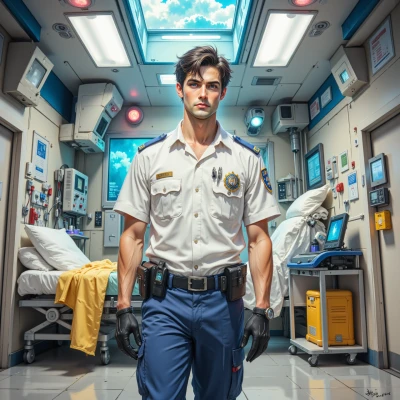 Sanitar
I’ve been wondering how subtle changes in our surroundings can sway our split-second decisions, especially when time is ticking. It feels like a puzzle you’d enjoy dissecting, and I suspect it could shed light on your profiling work too. What’s your take on that?
 Idris
Idris
You’re right – the environment is the silent partner in every split‑second choice. A flicker of light, a sudden noise, even the shape of a doorway can shift the brain’s default response without us noticing. In profiling, I watch those cues to read what a person is trying to mask or reveal. The trick is to map the ambient signals and then see how they align with the person’s inner narrative.
Sanitar
That’s a solid observation. When we’re operating under pressure, the brain quickly filters environmental cues and defaults to the most efficient pattern. Mapping those cues against a suspect’s narrative can expose contradictions. Have you found any particular environmental factor that consistently tips the scales in your profiling work?
Idris
The one that keeps turning up is the subtle shift in lighting. A dim corner or a sudden burst of glare makes a person default to instinctive habits—more defensive or more compliant—before they can consciously decide. I also notice temperature changes; a draft can make a suspect feel exposed, tipping them toward either over‑explanation or sudden silence. Those environmental nudges, when mapped against their narrative, often expose the cracks.
Sanitar
I agree—subtle lighting and temperature shifts often trigger automatic defensive reactions. When you’ve mapped those cues to a suspect’s narrative, how do you decide which shift is most telling?
Idris
I look for the one that lines up with what the suspect says they’re feeling. If they say “I’m relaxed,” but the lights flicker and they tighten up, that mismatch stands out. I also weigh how often that cue appears in similar cases; a recurring pattern across different suspects points to a real trigger. Basically, I pick the cue that gives the biggest contrast between the narrative and the automatic reaction.
Sanitar
That makes sense. Focusing on the cue that creates the biggest gap between what they claim and how they actually behave helps you see what’s driving their actions, even when they try to hide it. Keep refining that pattern; it’ll sharpen your predictions.
Idris
Sounds like a plan. I’ll keep a close eye on those gaps and see how the pattern shapes up.
Sanitar
Good, let’s keep the focus tight. Those gaps are your best clue, so stay observant and record the patterns carefully.