Samoyed & Aegis
 Aegis
Aegis
What’s your take on the trade‑off between maximizing descent speed and getting that perfect exposure in a fresh powder storm?
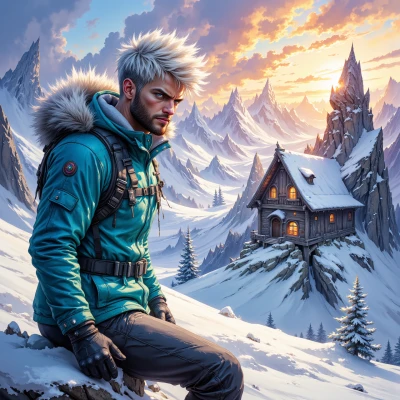 Samoyed
Speed’s a rush, but if you’re freezing your fingers it’s a no‑go—so I usually lock the shutter to 1/2000s to freeze the action, then adjust ISO and aperture to keep the snow looking bright. If you wait for a perfect exposure, you’re left on the edge of the wall or chasing the storm. So hit the descent hard, shoot fast, and if the light’s off, just ride it and fix it in post—unless you’re that fragile, then chill and wait for the light to settle.
Aegis
You’re right, the numbers win the game. 1/2000s locks the motion, and post‑processing will clean up any under‑exposed bits. Just remember the first frame is often the most critical – if you lose that one, the whole run can feel off. So keep the shutter quick, the sensor happy, and let the software finish the polish.
Samoyed
Totally, that first frame is the anchor—if it falls flat the whole run feels wobbly. I always hit the first shot hard, lock the shutter, and let the software do the fine‑tuning later. That way the descent stays wild but the look stays clean.
Aegis
Nice. Just keep an eye on the histogram; a slightly underexposed first frame can still wreck the whole line if the snow’s too dark. Aim for that balanced curve, then you can push the software later without fighting a half‑frozen scene.