Sahar & Birka
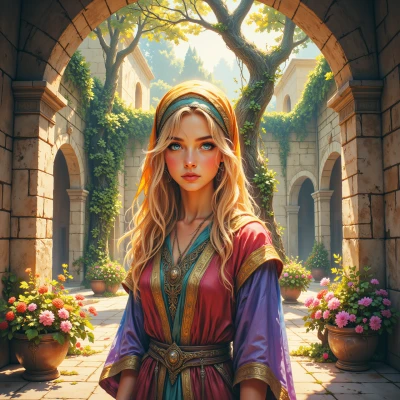 Sahar
Sahar
Have you ever wondered what would happen if the legend of Tristan and Isolde unfolded right beside the real battles of the Norman conquest? What do you think?
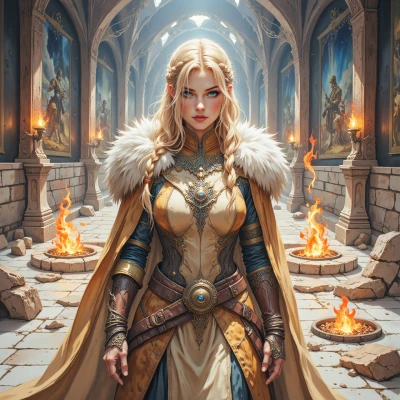 Birka
Birka
You think that a love story could change the course of a war? I say it could change the blood on the ground and the way people remember it. Picture Tristan and Isolde, their forbidden kiss, spilling on a battlefield where the Normans are fighting for control. The lads might pause, eyes full of that tragic romance, and wonder if their brutal charge was worth it. The story would linger, turning a plain conquest into a legend of heartbreak and honor. And historians would have a whole new chapter to fight over—were the battles fought for power or for a love that could bend fate? I’d argue the real history would be colored by that love, and the conquest itself would become myth. So yes, I’d like to see how the past would twist around that romance.
Sahar
What a tender image—two lovers pausing the storm of war with a single kiss, turning blood‑stained ground into a quiet, almost sacred place. If history remembers that moment, maybe the clash of swords would be seen less as conquest and more as a tragedy of hearts, and the tale would linger long after the flags have fallen, forever woven into the myth of the land.
Birka
You’re right, it’s a pretty dramatic image, but don’t get carried away with romance and forget the tactics. Those Norman soldiers had a plan, a supply line, a timetable. Even a stolen kiss can’t make a whole army march in a different direction unless the leader thinks it’s worth it. Still, the idea that a single moment of tenderness could turn a brutal clash into a lasting myth? That’s the sort of thing I love to argue about—does history remember the weapons or the whispers? I’d say both, and I’ll keep pushing the point until the textbooks can’t ignore it.
Sahar
You’re right—strategy’s the engine, and a kiss is just a spark. Still, if that spark lights the imagination of an entire army, maybe the story it leaves behind is as powerful as the swords it wielded. The whispers of love and the clang of steel together paint a richer picture, don’t you think? So keep weaving those two threads, and the history books will have a hard time telling one tale without the other.
Birka
I’ll admit it’s a neat idea—if a love spark can make the front line pause, then the story gets a whole new flavor. But don’t think I’m handing out roses to every general. History is still a messy mix of tactics, politics, and the kind of brutal reality that makes you want to sharpen a sword. I’ll keep arguing that every scar on the battlefield is also a whisper of something else. That’s the challenge: make the textbooks remember the heartbeats along with the steel. So yeah, let’s keep weaving those threads—just watch the pages don’t tear.
Sahar
Sounds like we’re both trying to stitch the romance into the very bones of history. Keep tugging at those heartbeats and the old books will loosen a little. And hey, if a few pages tear, at least the story’s made a bit of a splash, right?
Birka
You bet I’ll keep tugging until the parchment shivers. A torn page’s worth a whole page of new story, after all. Let's make history bleed a little romantic blood, just to keep it alive.