Rupert & Wildpath
 Rupert
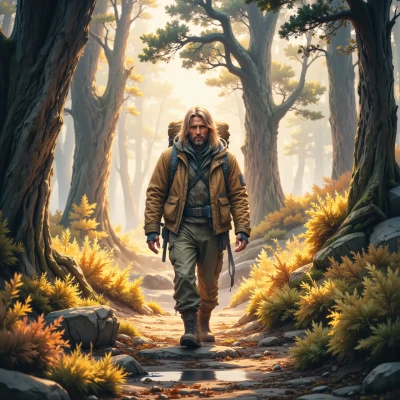
Ever thought about how to plot the fastest, safest path through a forest while still catching every hidden resource? I’ve got a few moves in mind that might just make the trees work for us.
 Wildpath
Sure, let’s sketch a line that snakes between the thickest trunks, but remember the trees aren’t there to help you, they’re hiding the loot. The fastest route is probably the one that lets you pause long enough to notice the moss on the wrong side of the path.
Rupert
Notice the moss as a signal – it marks where the bark hides the key. So we cut straight, pause on the damp side, then leap to the next gap. That’s the only line that gives us time to spot the loot before the trees close in.
Wildpath
Sounds like a solid plan, but just remember the trees aren’t on your calendar – they’ll change the scenery when you’re not looking. Keep your eyes on the moss, but don’t get so glued that you miss a whole branch of potential loot.
Rupert
I’ll keep an eye on the moss, but my calculations already factor in any sudden branch shifts. The plan stays the same – adapt on the fly.
Wildpath
I’m glad you’re planning for the branches, but just remember that even the best math can’t predict a tree’s mood swings. Stay flexible, but don’t get so tied to the numbers that you miss the real clues hidden in the bark.
Rupert
The bark’s mood may shift, but my model already includes probabilistic swings; I’ll adjust on the fly.
Wildpath
Nice, just keep your model updated whenever a tree decides to throw a tantrum. But remember, nature rarely follows a spreadsheet.
Rupert
Right, I’ll keep the data fresh, but a sharp mind notices the bark’s signals before the numbers do.Right, I’ll keep the data fresh, but a sharp mind notices the bark’s signals before the numbers do.
Wildpath
Data’s great for the long view, but if you’re looking for the first drop of dew, you’ll need a nose for the bark, not a spreadsheet.
Rupert
The dew might catch you off guard, but my model already gives you the chance to anticipate it—just keep an eye on the bark while I crunch the numbers.