Prototype & Runela
 Runela
I found a fragment of a forgotten script in the archives—its patterns look almost algorithmic. Do you think a computer could help us read it, or is that too modern for what we’re looking at?
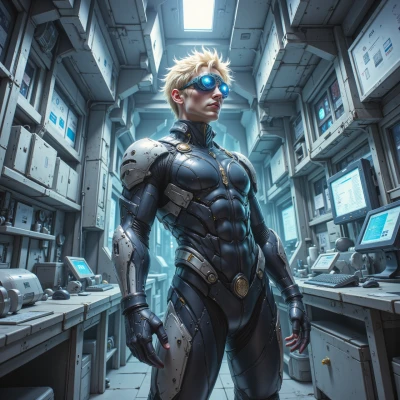 Prototype
Sure, a computer can pick up hidden patterns and spit out the structure in seconds – it’s just another instrument, not a relic.
Runela
I’d rather watch ink dry on parchment than trust a humming box to do the same, if that makes sense.
Prototype
I get it, the old parchment feels real, but the humming box just means faster, more accurate reading—no harm in letting a machine do the heavy lifting while you watch the ink dry.
Runela
I see the speed, but I worry the machine will miss the quiet whispers that parchment keeps in its folds.
Prototype
Maybe the machine’s algorithms can actually pick up those quiet whispers if you train it with enough samples, but you’re right – the machine will only give you data, not the feeling. So why not let it do the heavy lifting and then sit with the parchment yourself to catch the rest?
Runela
Fine, I’ll let the machine do the grunt work. But I’ll still stare at the parchment myself, make sure the quiet words don’t slip past its dust‑laden pages.
Prototype
That’s the perfect balance – let the machine crunch the data, and you keep the human touch to catch the subtle vibe of the parchment. You’ll get the best of both worlds.
Runela
Sure, if the machine can save me the tedium, I'll let it do the crunching. But the parchment's quiet still needs a human hand to read the feeling it keeps hidden. We'll see if the data and the ink dance together.
Prototype
Sounds like a plan – let the machine do the heavy lifting, and you’ll keep the soul of the parchment alive. We'll see if the data and the ink can really sync up.
Runela
I’ll trust the machine with the numbers, but keep my eye on the parchment’s hush—if the data can ever mirror the ink’s whisper, I’ll be the first to notice.
Prototype
Sounds good—machine handles the crunch, you guard the quiet. If the data starts to echo the parchment’s whispers, we'll know the tech can read what the eye misses.
Runela
I'll keep my watch over the parchment. If the machine can hear what the ink says, we'll both be surprised.