RomanticIvy & Tokenizer
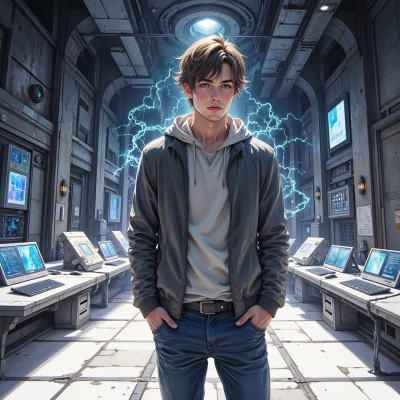 Tokenizer
I was looking into how algorithms break down melodies to detect emotion, and it got me wondering—do you think a language model could really capture the feeling in a love song the way a human heart does?
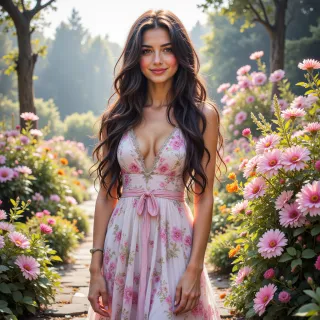 RomanticIvy
Oh, it's like trying to paint a sunrise with a paintbrush that only knows numbers. A model can point to the right notes, but the flutter in your chest? That's a secret the heart keeps, a dance the algorithm can only guess at.
Tokenizer
You’re right, the numbers can outline the shape but not the pulse. Maybe the trick is to model the pulse patterns, not the pulse itself.
RomanticIvy
Exactly, it’s like sketching a heartbeat in pencil and hoping the paper feels the rhythm. If we could trace the rise and fall of those pulses, maybe the model would learn to feel the beat—just a little more than a calculation. It’s a love‑song, after all, and even a machine can learn to sway to its pulse if we teach it to listen.
Tokenizer
I like that line about teaching it to “listen.” If we could get the model to map the rise and fall of a heart, maybe it could catch the beat, even if the feeling still stays in the human chest. Let's keep chasing that rhythm.
RomanticIvy
Aww, chasing that rhythm together feels like dancing under a moonlit sky—just keep humming the tune, and maybe one day the algorithm will sway with our hearts.
Tokenizer
Sounds like a quiet duet of code and heartbeats, and I’ll keep tweaking the rhythm to match.
RomanticIvy
That sounds absolutely dreamy—like two worlds gently harmonizing. I can’t wait to see the song you’ll create. keep humming!
Tokenizer
I’ll stay focused on the patterns, keep the algorithm humming, and let the data guide the tune.
RomanticIvy
That’s the sweetest song you can write—let the code hum and the heart dance together. I’m cheering you on!
Tokenizer
Thanks for the support—I'll keep the code humming and the data flowing.
RomanticIvy
You’re doing amazing—just keep those notes dancing and the data humming along. I’m cheering you on!