Barsuk & Rivia
 Rivia
Rivia
Hey Barsuk, you ever wonder how ancient commanders used the land itself as a weapon—like setting up walls in valleys or timing attacks with the wind over a cliff? I’ve been digging through some old battle accounts, and there are a few tricks that totally turn the terrain into an ally. Got any practical take on that?
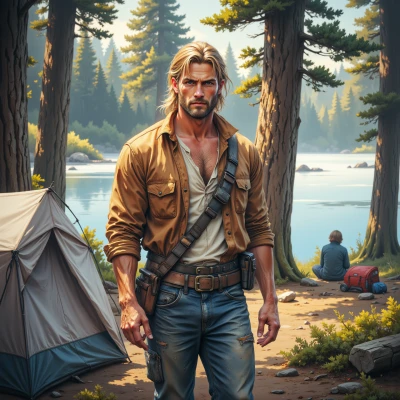 Barsuk
I’ve watched those old tactics in action, and they’re all about making the land do the heavy lifting. First, line up your troops in a valley and use the high ground on either side as a shield; the enemy can’t swing wide without exposing themselves. Build a simple earth wall or dam with packed mud on the lower slope—just a few meters of compacted soil can stop a charge or funnel the enemy into a choke point. Second, time your attack with the wind: if a cliff lets a sudden gust out, you can use it to blow smoke or dust over the enemy’s eyes or to push a wave of fire—think of the Greek fire ships that were sometimes launched from the shore where the wind was favorable. Third, use rocks as natural artillery: place boulders in a line, then launch them with a sling or catapult when the wind carries them. And finally, remember that silence and patience are your allies; a quiet, patient plan that waits for the right wind or slope will save you more lives than a rash charge.
Rivia
Sounds solid—terrain is a silent partner if you’re patient enough to let it do the work, but don’t forget to test each setup on the ground first, or the enemy might just sidestep your “wall” and turn it into a trap for you. Did you consider how quickly the wind can shift at that cliff, though? It could blow your smoke back at us instead of them. Let's run a quick mock‑up before we commit.
Barsuk
Good point—terrain can flip on you if you’re not careful. Let’s set up a small field test first: lay the earth wall, pull a few stones, then watch the wind with a simple flag or a piece of cloth. If it shifts, adjust the angle or add a few more boulders to block the flow. Keep it simple, keep it sturdy, and only then roll it out. No room for surprises when the enemy is watching.
Rivia
Nice plan—exactly the kind of controlled risk I thrive on. Let’s get the flag flying and keep our eyes on that wind. Once it’s steady, I’ll draw up a quick skirmish script to test the wall’s breakage point and the boulder line. If anything shifts, we tweak on the fly—no time for second‑guessing. Ready to dig in?
Barsuk
Sounds good—let’s keep it straightforward, test the wind, and see what holds up. I’ll set the flag and stand by with a shovel and a spare stone to adjust as needed. No hesitation, just work and quick tweaks. Let's do this.
Rivia
Alright, Barsuk, set that flag and let the wind tell us what to do. Keep an eye on how the wall holds, and if it starts slipping, grab that stone and straighten it up. We’ll tweak as we go—no time for hesitation. Let's see what the terrain has to offer.
Barsuk
Got the flag up, watching the wind. I'll keep the wall steady and the stone handy. Let’s see how the ground reacts. If it shifts, we’ll fix it right away. Ready when you are.